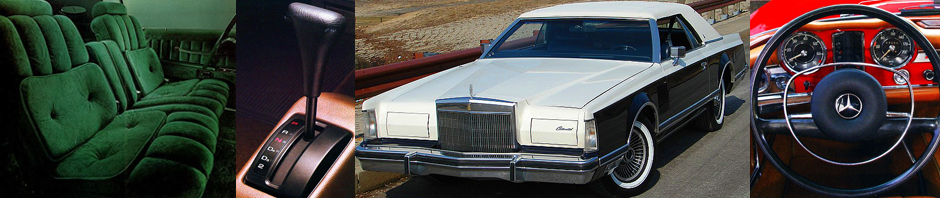
Throughout the history of the automobile, it’s easy to find expensive cars that pushed the envelope when it came to new technology and advanced features. For example, the 1939 Cord’s front-wheel-drive, 1953 Corvette’s fiberglass body, Jaguars, Mercedes 300SLs, and so many more with sophisticated engine and suspension designs. On the subject of tires, the 1984 Chevrolet Corvette was first to feature run-flats.
Yes, technological advancements are a dime a dozen when it comes to higher-priced luxury and sports cars. That’s why we found it interesting to look for cars throughout the history of the automobile that brought more advanced, higher-end features to lower-priced models that most people could afford. Here’s what we’ve got so far, and we kindly ask you, dear readers, to let us know what we’ve missed in the comments field.
1915 DODGE – All Steel Bodyshell
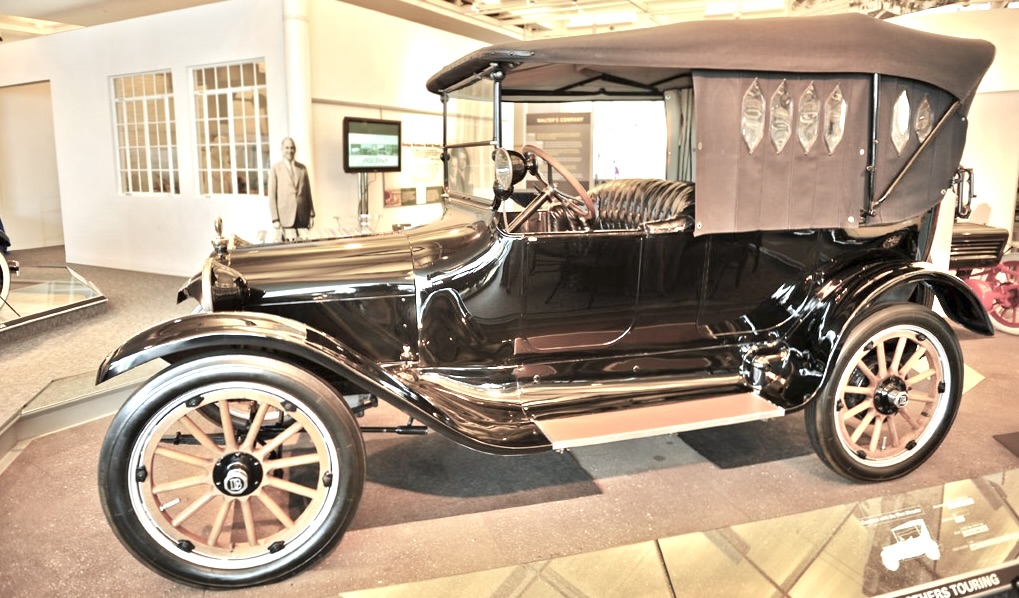
Philadelphia businessman Edward Budd set up a company in 1912 to fabricate steel components and within a year he’d got a contract from Dodge to build 70,000 bodyshells. At the time, many cars incorporated wood in their construction and outer panels were often made of fabric, but an all-steel bodyshell was strong and rigid yet still relatively light. Before long Budd would also be making steel panels and/or bodyshells for Cadillac, Chrysler, Mercedes, Citroën and Ford, among others.
1932 CHEVROLET – Metallic Paint
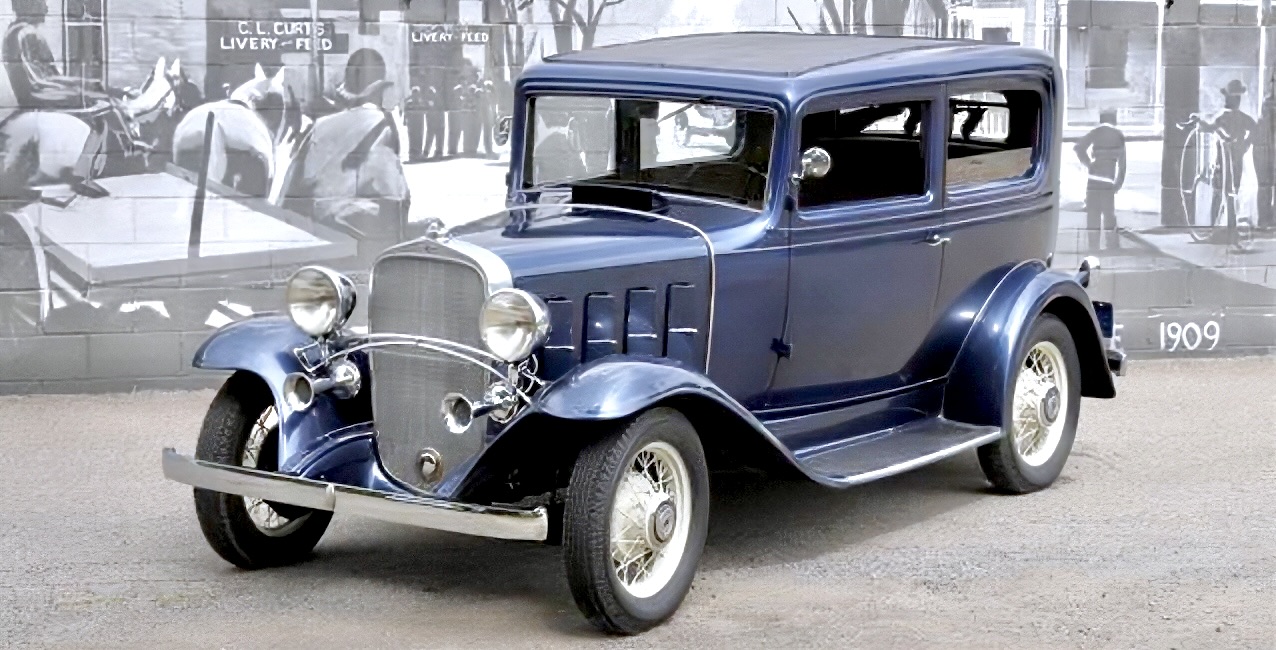
There’s much debate about when metallic paint was introduced. By the end of the 1930s many U.S. brands offered it. Cadillac listed it from 1933 and Hupmobile from 1934, but it seems they were both beaten Chevrolet, which allowed its cars to be finished in metallic paint from as early as 1932. When the paint is mixed with roughly 2% of powdered metal flakes, it adds a luxurious, higher-cost appearance.
1934-37 CHRYSLER AIRFLOW – Aerodynamics, Overdrive Trans, Unibody Construction
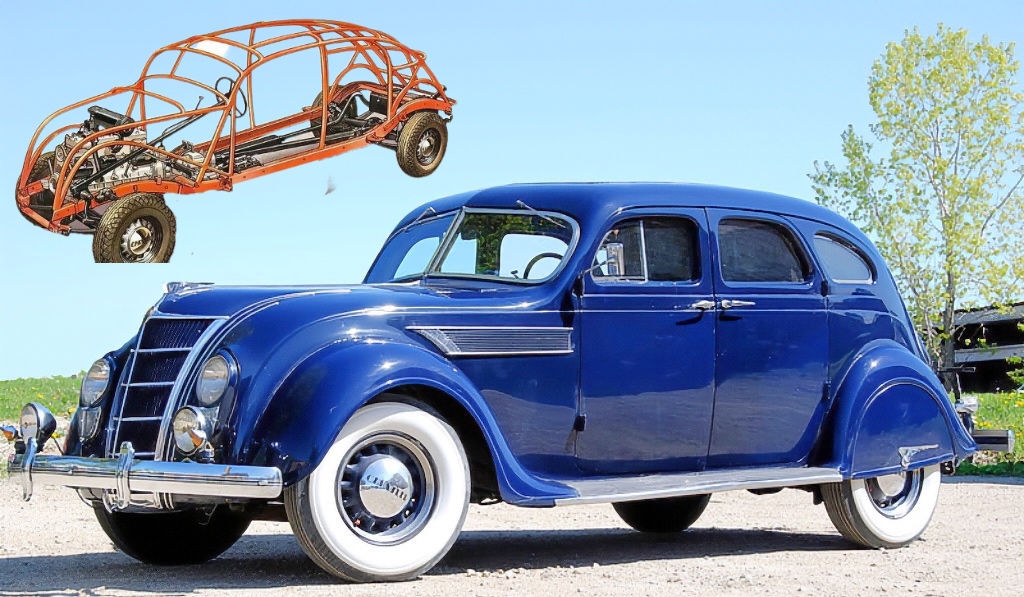
Designed with the help of Orville Wright, the Airflow’s aircraft-inspired design was the first automobile to truly focus on fuel economy through lower drag. Adding further to the efficiency vein, the Airflow featured the first transmission with an overdrive gear to cut engine revs on the highway. Ironic, since Chrysler was later one of the last companies to add an overdrive gear to their automatic transmissions during the 1980s.
The Airflow was also first to feature a unitized cage structure enclosing the passenger compartment that was bolted to a steel frame, forming a hybrid body-on-frame and unibody design.
1935 TRIUMPH VITESSE SEDAN
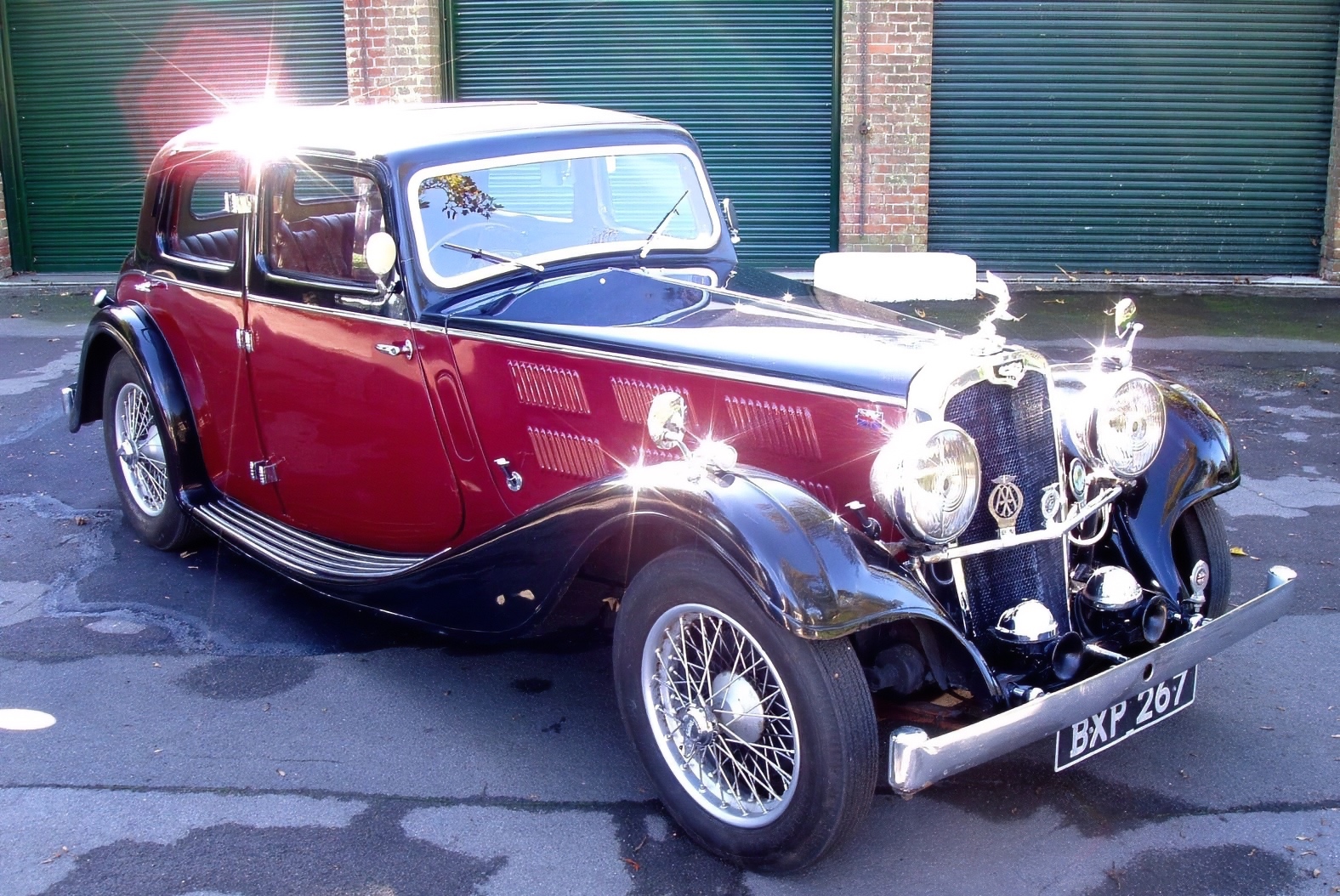
The first cars to feature windshield wipers as standard equipment were the 1935 Triumph Gloria and Vitesse models. The wipers used a vacuum-operated system to create movement rather than electric, and only non-convertible versions were fitted with them. Presumably, those who bought ragtops didn’t mind sticking their head over the top of the windshield to see forward, or simply used squeegie-on-a-handle to clear the glass.
1948-53 LANCIA ARDEA
First affordable car with a 5-speed manual. Also its unusually short bonnet reportedly contained the smallest V4 engine ever commercialized in a small family car.
1949 CROSLEY
First car with 4-wheel disc brakes. it was the Indiana-built 1949 Crosley which was first fitted with Goodyear/Hawley disc brakes on all four wheels. Unfortunately, these calipers, which were initially designed for airplanes, couldn’t stand up to the repeated use demanded by the automobile, and thus proved troublesome. So a little more than six months after they were introduced, Crosley went back to using the tried and true drum-brake system instead. Thus, Crosley was the first disc-brake-equipped automobile.
1957 INTERNATIONAL PICKUP – First Crew Cab Pickup
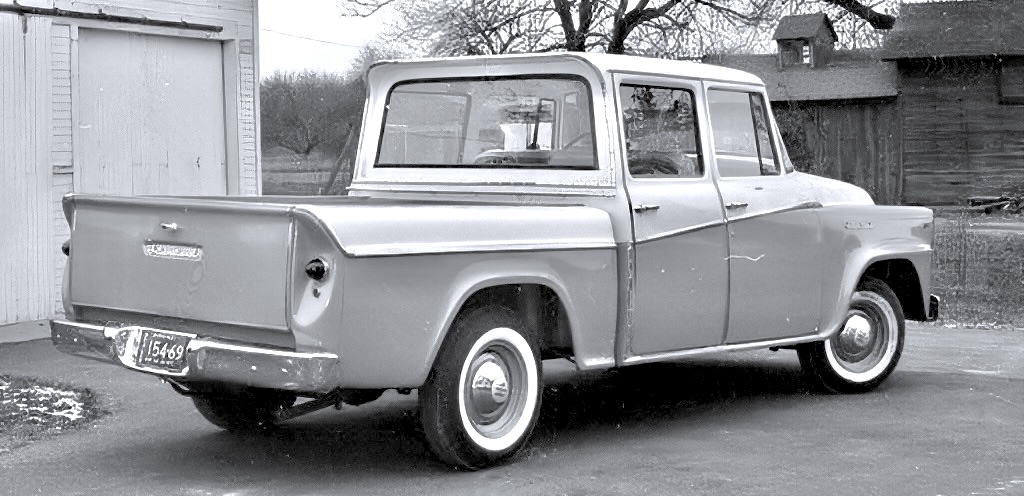
Useful for hauling stuff they may be, but some early users of pickups also wanted to haul more people; plenty of coach builders added seats to Ford Model T pickups in the 1920s, for example. But International Harvester was the first company to offer a factory-built crew cab as we might understand it today, complete with one extra door on the passenger side and seating for six. A fourth door arrived on the left side for 1961.
The Big Three took a while to embrace the concept: Dodge in 1963, Ford in 1965, and Chevy as late as 1973. Today crew cabs dominate the US pickup market, as drivers understandably love a vehicle that can work for work during the week, and then haul families as well as leisure gear at weekends.
1960 CHEVROLET CORVAIR
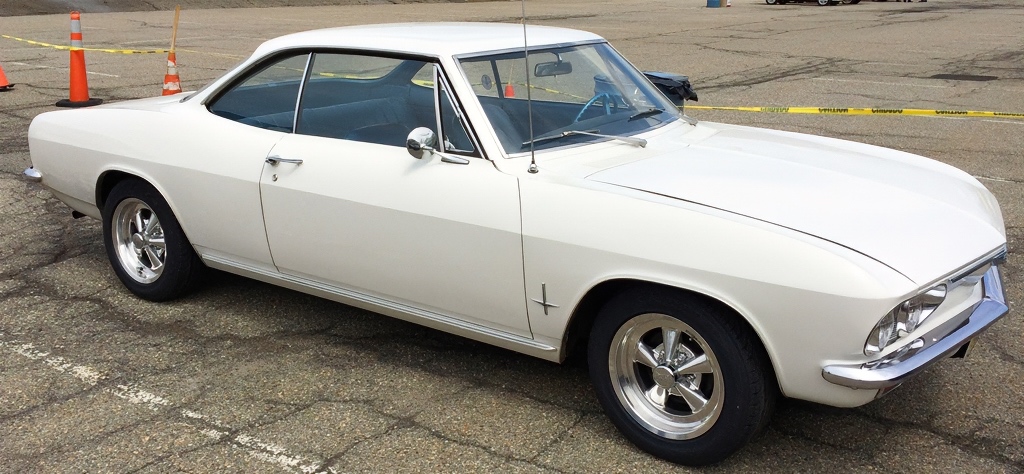
With the success of Volkswagen’s Beetle, Bus, and Karmann-Ghia during the 1950s in the economy segment, General Motors gained great respect for how those three models achieved maximum model diversity and sales using one single platform. So much so, GM engineers were inspired to create their own VW competitor that featured the same layout – a rear mounted, air-cooled engine driving the rear wheels. With a coupe, sedan, van, and pickup model, the Corvair lineup offered a lot of forward thinking and technology for the money.
What’s impressive is how Corvair models maintained economy car pricing while improving on the Volkswagen designs with larger overall dimensions, more interior room, recognizable styling, and thicker steel. Like VW air-cooled engines, Chevrolet ones featured a horizontally opposed design that resulted in a flat overall shape that saved space and sat low in the rear engine bay. A bonus – Corvair engines featured 6 cylinders rather than 4.
1961-63 PONTIAC TEMPEST
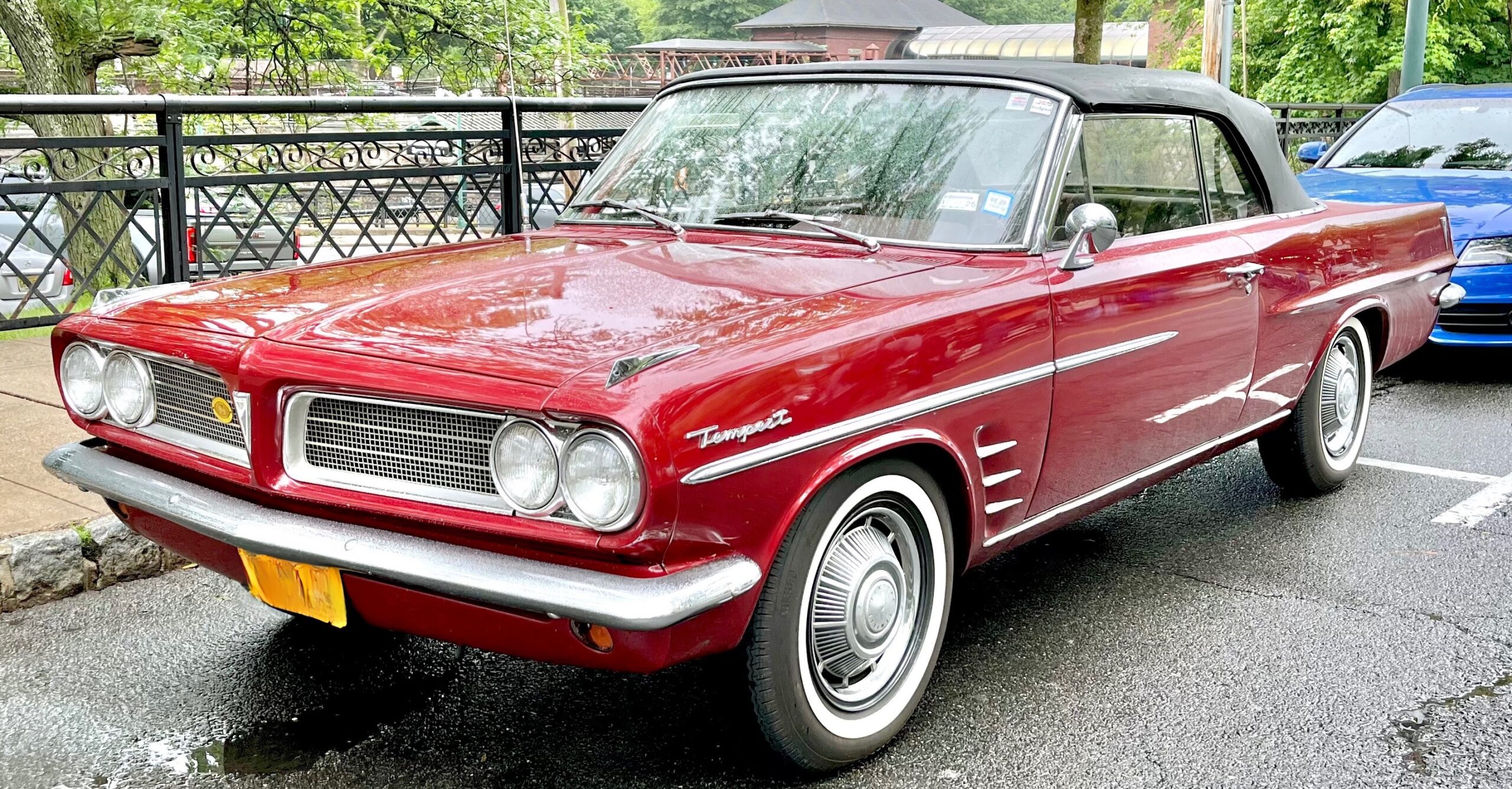
When Pontiac introduced the 1961 Tempest, it was one of the most technologically innovative American automobiles of its era. Developed under the engineering leadership of John DeLorean, the Tempest broke dramatically from Detroit convention with an unusual combination of advanced engineering features. Rather than mounting the transmission directly behind the engine, Pontiac positioned a transaxle at the rear of the car, connected to the front-mounted engine by an ingenious flexible driveshaft known as the “rope drive.”
This arrangement provided nearly ideal 50/50 weight distribution, improved interior space by minimizing the traditional transmission tunnel, and contributed to the car’s balanced handling. The Tempest also featured four-wheel independent suspension, another uncommon feature among American automobiles of the early 1960s. Together, these innovations gave the modestly priced compact car a level of engineering sophistication more commonly associated with expensive European sports sedans.
Under the hood, the Tempest was equally unconventional, featuring a 194.5-cubic-inch, four-cylinder engine essentially derived from one bank of Pontiac’s 389-cubic-inch V8. Although this engine employed traditional overhead valves rather than an overhead camshaft, it reflected Pontiac’s willingness to challenge established automotive design practices. Pontiac would take engine technology another step forward in 1966, introducing an innovative overhead-camshaft inline six-cylinder engine in the Tempest, featuring a fiberglass-reinforced rubber timing belt and hydraulic valve-lash adjustment. While the original Tempest’s rear transaxle and flexible driveshaft disappeared with the 1964 redesign, its pioneering approach anticipated engineering solutions that would later become familiar in sophisticated performance automobiles.
FIAT 124 SPIDER
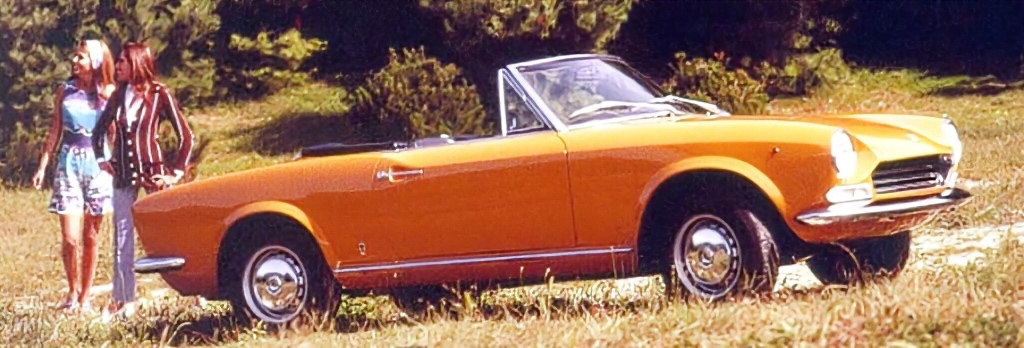
When the Fiat 124 Spider debuted in 1966, it offered an impressive combination of sophisticated engineering, Italian styling, and affordability that few competing sports cars could match. Designed by Pininfarina, the two-seat convertible featured a remarkably advanced dual-overhead-camshaft four-cylinder engine designed by legendary Ferrari engineer Aurelio Lampredi, four-wheel disc brakes, and a five-speed manual transmission.
At a time when many similarly priced British sports cars still relied on pushrod engines, front disc/rear drum brakes, and four-speed gearboxes, the Fiat provided technology more commonly associated with considerably more expensive European automobiles. Its fully synchronized five-speed transmission and responsive, free-revving engine made it particularly enjoyable to drive, while its independent front suspension, well-located coil-sprung rear axle, and carefully balanced chassis delivered an appealing combination of handling, ride comfort, and road manners. Rack-and-pinion steering also provided precise control.
Over the years, Fiat continued improving the Spider with larger-displacement engines, electronic ignition, and eventually Bosch electronic fuel injection, keeping the design competitive well into the 1980s. Despite this impressive engineering pedigree, the 124 Spider remained relatively affordable, giving buyers an unusually generous helping of Italian sports-car sophistication without the premium price of an Alfa Romeo or more exotic European roadster.
1968 VOLKSWAGEN TYPE 3 1600E – First mass-produced car with electronic fuel injection
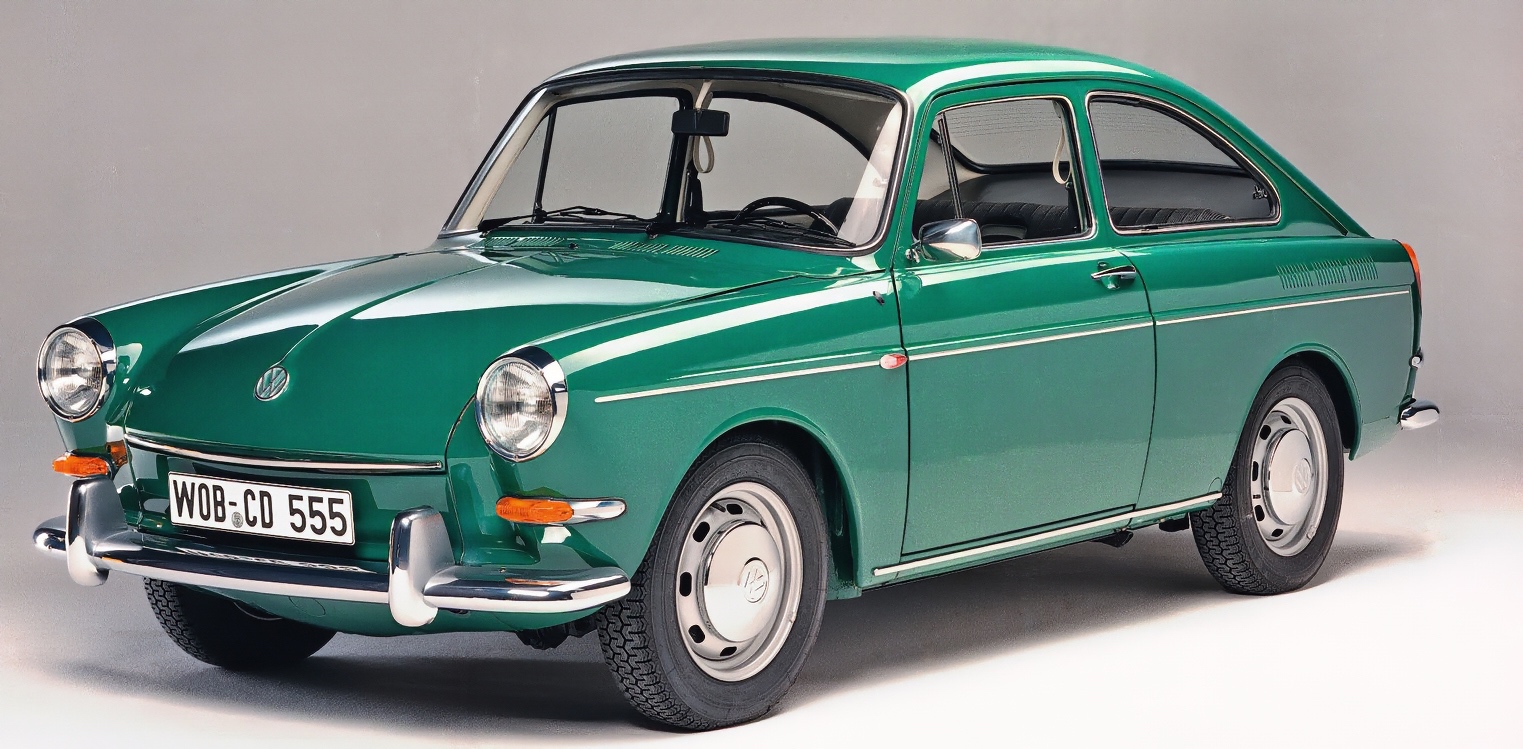
For the 1968 model year, Volkswagen’s Type 3 1600E (E stood for Einspritzung, the German word for fuel injection) models were the first mass produced automobiles with electronic fuel injection available as optional equipment. Bosch’s D-Jetronic electronic fuel injection system used the engine’s speed and the density of air in the intake manifold to calculate how much fuel to inject. This D-Jetronic system was also used in other cars from brands like Mercedes-Benz, Porsche, Citroën, Saab, and Volvo.
1971 TOYOTA CELICA
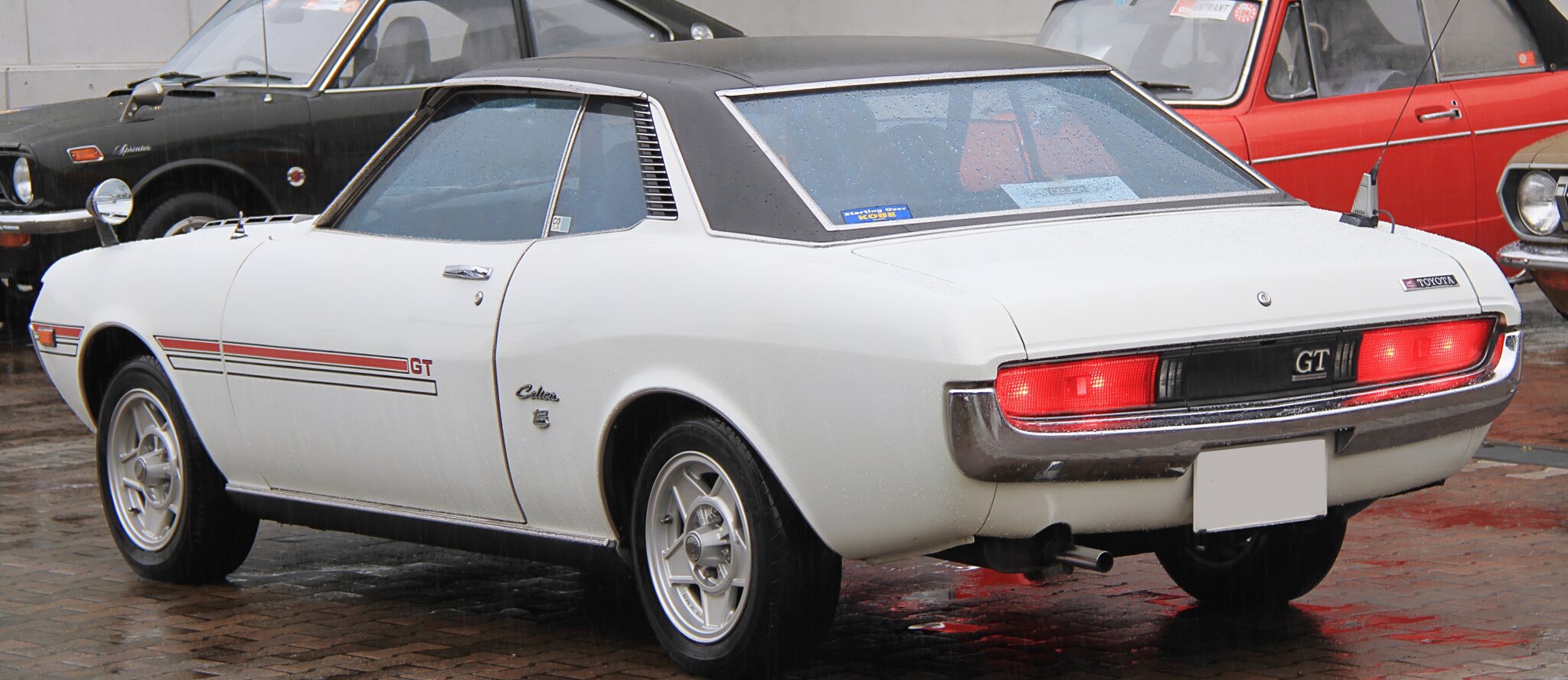
Inspired by first-generation Mustangs, Camaros, and other compact 4-seaters that made up the pony car genre, the first 1971 Celica was designed from the ground up with performance driving in mind. For a relatively low price, buyers got an overhead-camshaft (dual overhead cams were offered in Japan) four cylinder, 5-speed manual, independent front suspension, and a four-link rear suspension setup with separate dampers. Later generations of Celicas maintained their high level of technological features for the price, with 1980s versions even offering a turbo engine with all-wheel-drive.
1975 VOLKSWAGEN GOLF / GTI
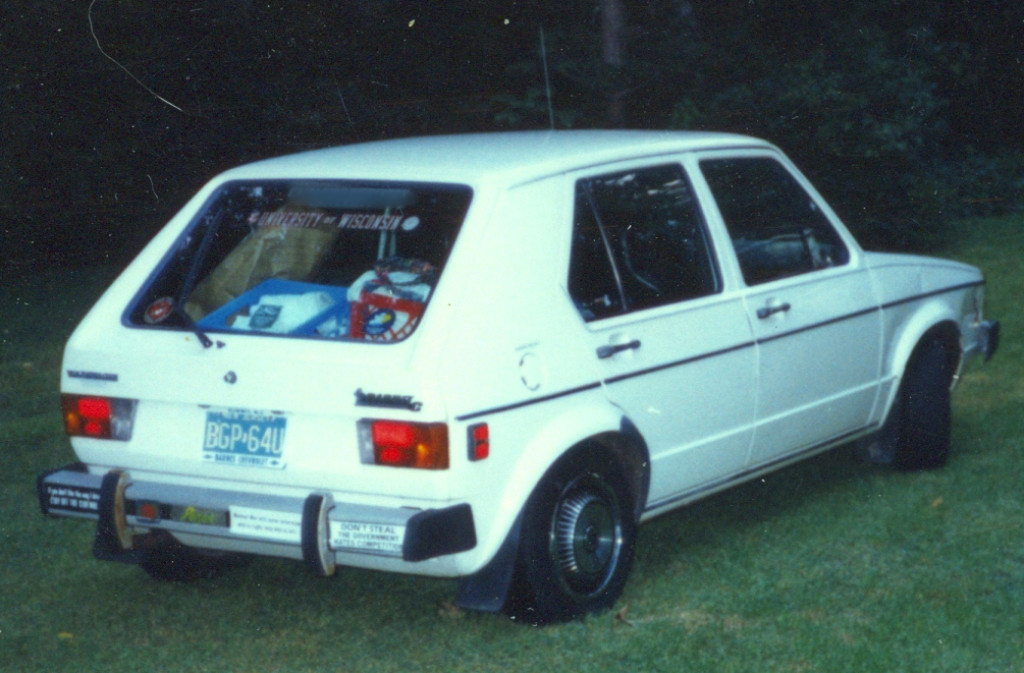
When Volkswagen introduced the first-generation Golf (known as the Rabbit in the U.S.) for the 1975 model year, it represented a major technological and engineering leap forward for an economy car. Unlike the aging Beetle it was designed to replace, the Golf featured a modern, water-cooled engine mounted transversely in the front, driving the front wheels. This space-efficient arrangement allowed Volkswagen to maximize passenger and cargo room within remarkably compact exterior dimensions.
Its sophisticated chassis incorporated MacPherson strut front suspension, a torsion-beam rear axle with coil springs, and rack-and-pinion steering, providing a combination of responsive handling, ride comfort, and road manners that rivaled those of considerably more expensive automobiles. Fuel injection was first offered on the Volkswagen Golf in June 1976, when the original Golf GTI went on sale in Germany. The GTI featured a 1,588cc (1.6-liter) four-cylinder engine equipped with Bosch K-Jetronic mechanical continuous fuel injection, producing 110 PS (approximately 108 SAE horsepower). In the United States, where the Golf was marketed as the Rabbit, fuel injection became available for the 1977 model year. American-market Rabbits adopted Bosch K-Jetronic fuel injection primarily to improve emissions performance, drivability, and efficiency.
Combined with a exhaust gas recirculation valve, the Bosch Continuous Injection System (CIS) made the Rabbit one of the only U.S. models able to meet federal emissions standards without a catalytic converter. This was an impressive engineering accomplishment for the time. The engine produced approximately 78 horsepower, making it relatively lively for an economy car of its size. The catalyst-free configuration wasn’t limited to 1977: period replacement-parts catalogs also list U.S. gasoline Rabbits without catalytic converters through 1979, although emissions equipment varied by application
1980 AMC EAGLE 4×4
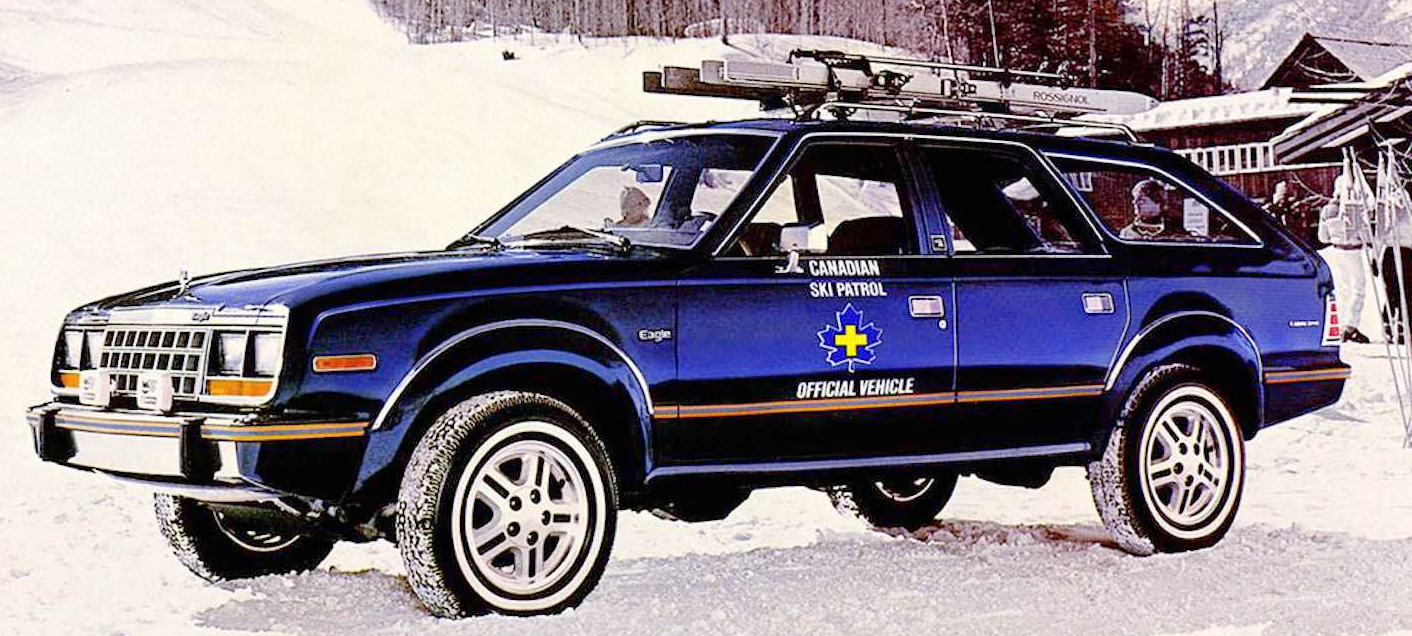
Introduced for the 1980 model year, the AMC Eagle 4×4 combined the comfort, practicality, and affordability of a conventional passenger car with the all-weather capability of four-wheel drive. At a time when four-wheel drive was largely reserved for trucks and rugged utility vehicles, American Motors Corporation pioneered a new approach by offering a full-time four-wheel-drive system in a comfortable, family-oriented passenger car.
Based on AMC’s Concord platform, the Eagle featured increased ground clearance, an independent front suspension, and a sophisticated viscous-coupling center differential that automatically accommodated differences in front and rear wheel speeds. This engineering allowed drivers to enjoy four-wheel-drive traction on ordinary paved roads without the inconvenience of manually engaging the system, a remarkably advanced feature for a relatively inexpensive American automobile. What made the 1980 AMC Eagle particularly remarkable was the amount of sophisticated engineering offered at a mainstream price. Its combination of passenger-car ride quality, automatic transmission availability, power steering, comfortable interiors, and four-wheel-drive capability provided a level of versatility previously associated with considerably more expensive specialty vehicles.
Available initially in two-door coupe, four-door sedan, and station wagon body styles, the Eagle offered buyers the ability to navigate snow-covered roads, muddy driveways, and challenging weather conditions without sacrificing the everyday convenience of a traditional automobile. Decades before all-wheel-drive crossovers became commonplace, AMC had effectively anticipated an entirely new automotive market segment. Although the Eagle never achieved enormous sales, its forward-thinking engineering established it as an important predecessor of today’s popular all-wheel-drive passenger cars and crossover SUVs.
1988 HONDA PRELUDE
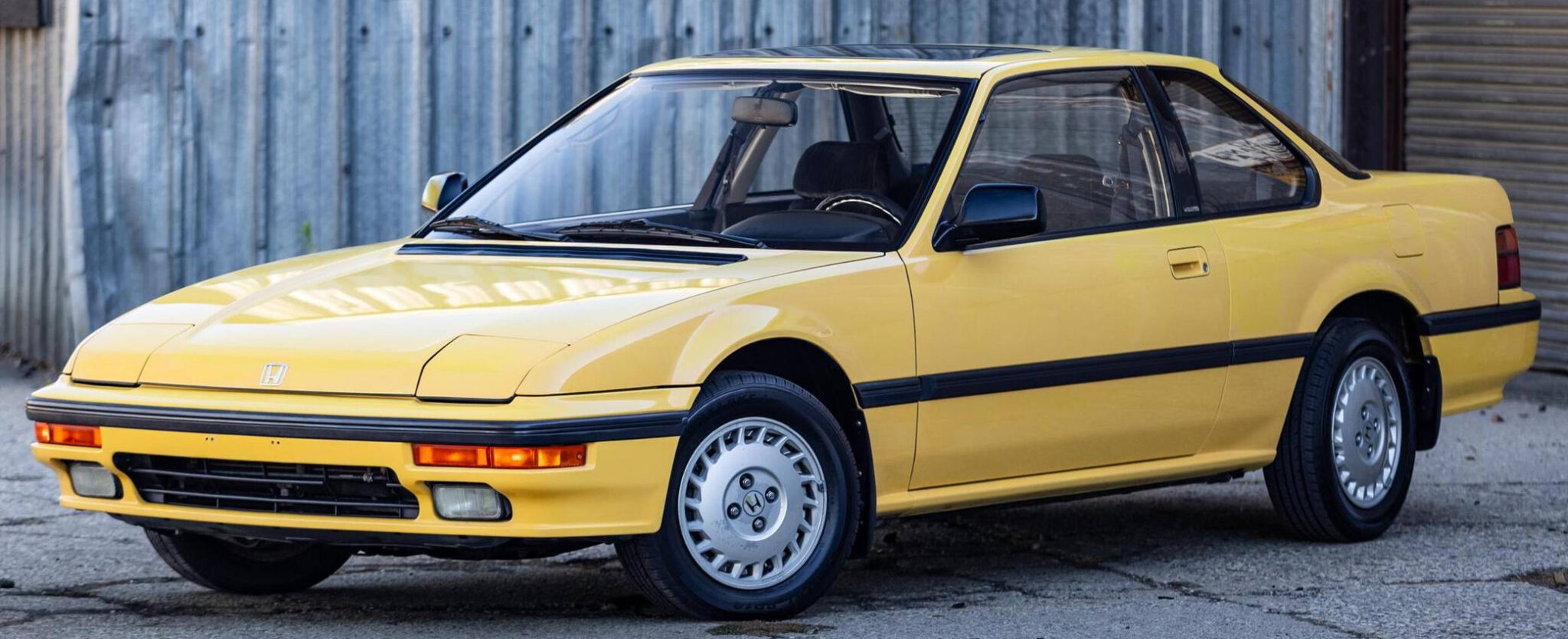
Introduced for the 1988 model year, the third-generation Honda Prelude was a remarkably sophisticated automobile for its relatively affordable price, offering engineering and technology more commonly associated with expensive European sports coupes. Its sleek, low-slung body featured an aerodynamic wedge-shaped profile, retractable headlights, and an unusually low hoodline made possible by Honda’s innovative engine packaging.
A sophisticated double-wishbone suspension system at all four wheels provided exceptional handling, stability, and ride comfort. Perhaps its most impressive innovation was the optional mechanical four-wheel steering system, which turned the rear wheels in the same direction as the front wheels at higher steering angles’ initial range, and in the opposite direction during sharper turns. This gave the Prelude unusually responsive handling and maneuverability, making it one of the most technologically interesting cars in its price class.
The Prelude’s advanced engineering extended beyond its chassis. The Si model featured a sophisticated dual-overhead-camshaft, 16-valve engine producing 135 horsepower from just 2.0 liters, with displacement increasing to 2.1 liters and output rising to 140 horsepower for 1990. Its precise five-speed manual transmission, four-wheel disc brakes on Si models, power-assisted steering, and thoughtfully designed driver-oriented interior further distinguished it from ordinary economy cars.
At a time when many similarly priced American coupes still relied on relatively basic suspension designs and less sophisticated engines, the 1988–1991 Prelude offered a level of technical refinement that helped establish Honda as one of the world’s most innovative automakers. According to Road & Track, “The 1988 Honda Prelude previewed design language that eventually made it to the NSX and is arguably the first mass-produced car to offer four-wheel steering. Are you a fan of how the Porsche Turbo, GT3, and 918 Spyder have it? Well, Honda had Porsche beaten by almost 25 years in offering the technology in a road car”.
1990 MAZDA MIATA
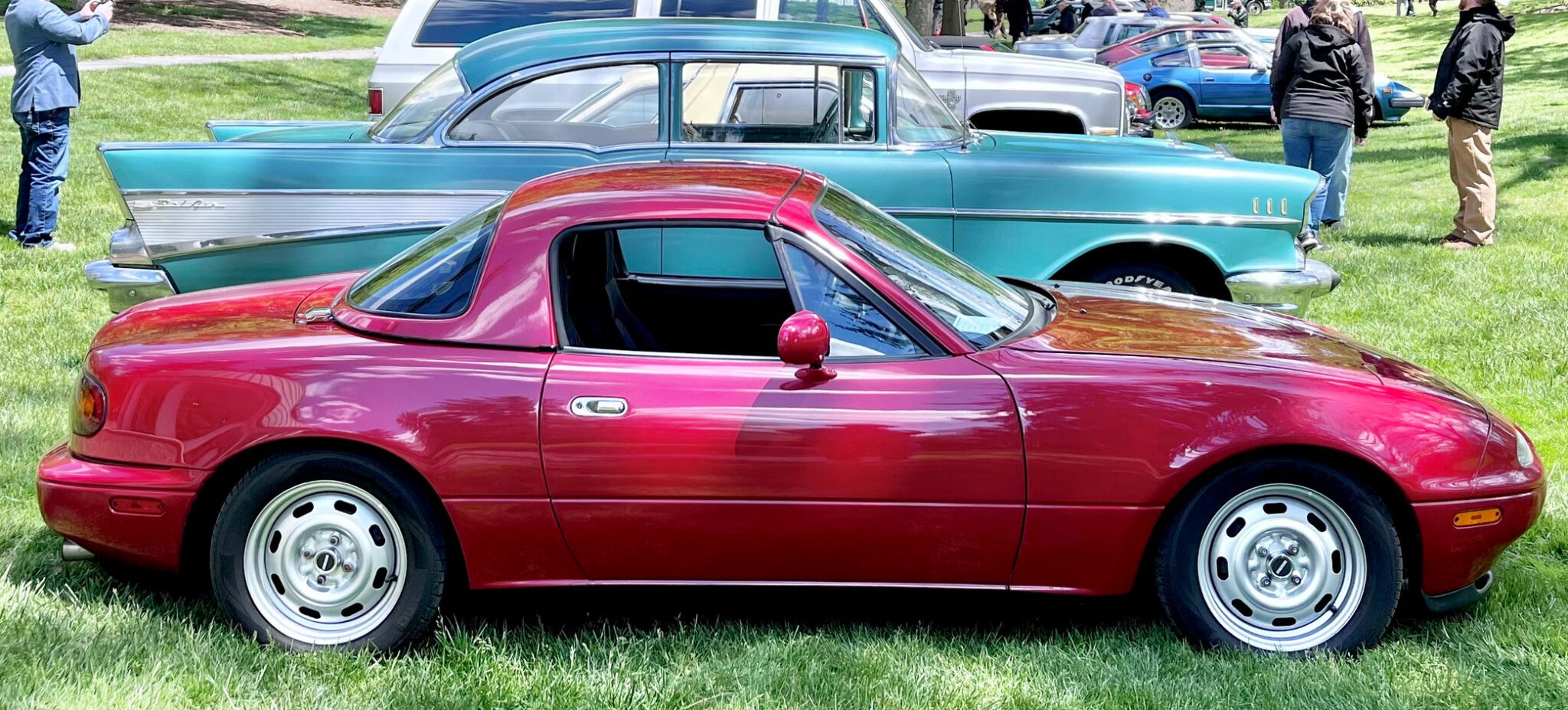
When the 1990 Mazda MX-5 Miata arrived on the American market in 1989, it offered an impressive combination of engineering sophistication, driving enjoyment, and affordability that was unusual for a car in its price class. With a base price of approximately $13,800, the Miata featured a fully independent double-wishbone suspension at all four wheels, four-wheel disc brakes, precise rack-and-pinion steering, and a lightweight, well-balanced rear-wheel-drive chassis. Its 1.6-liter, 16-valve, dual-overhead-cam four-cylinder engine produced 116 horsepower, providing spirited performance while delivering respectable fuel economy. A slick-shifting five-speed manual transmission, near-perfect 50/50 weight distribution, and carefully engineered suspension geometry gave the Miata the handling characteristics of considerably more expensive European sports cars. Even its aerodynamic styling, low center of gravity, and attention to structural rigidity demonstrated Mazda’s commitment to creating a genuinely sophisticated sports car rather than merely an inexpensive convertible.
The Miata was equally impressive for the way Mazda incorporated modern technology, thoughtful ergonomics, and everyday practicality into such an affordable package. Electronic fuel injection, a sophisticated engine management system, a driver-side airbag, and an unusually well-designed convertible top were among its notable features. The manually operated top could be raised or lowered quickly and easily from the driver’s seat, eliminating the complexity and expense of a power-operated mechanism. Its carefully arranged cockpit featured excellent visibility, intuitive controls, and comfortable seating, while its mechanical simplicity contributed to impressive reliability and relatively inexpensive maintenance. At a time when affordable sports cars were becoming increasingly scarce, the Miata successfully revived the traditional British roadster formula while eliminating many of its shortcomings. The result was a remarkably advanced, entertaining, and dependable automobile that delivered a level of engineering refinement and driving satisfaction rarely found in a car costing less than $14,000.
1991 FORD ESCORT GT & MERCURY TRACER LTS
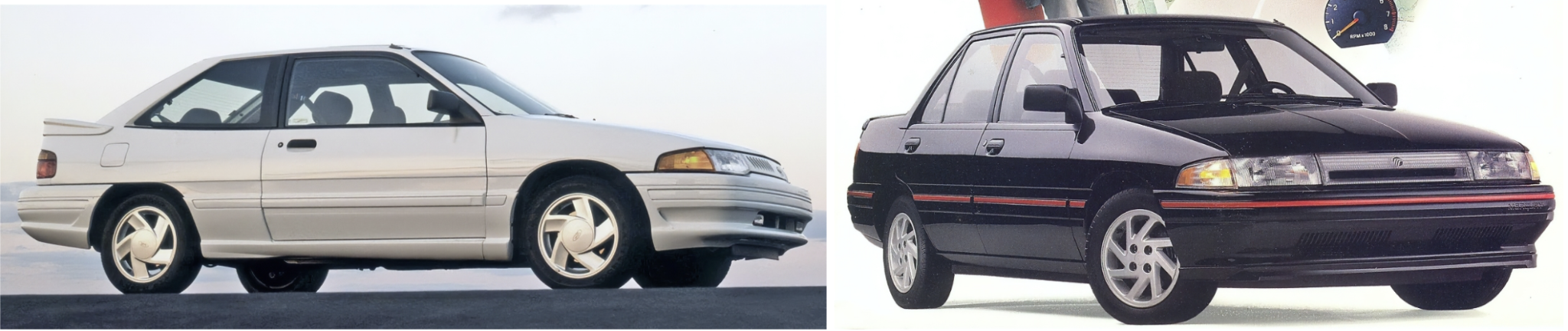
Ford’s best-selling Escort small car platform saw a complete redesign for 1991, and was based heavily on Mazda’s 323 since Ford owned 25% of Mazda at the time. For the first year of this generation’s 1991-96 model run, Escorts were offered in hatchback and wagon configurations only, with a sole 4-door sedan version being sold as the Mercury Tracer until an Escort sedan was added for 1992-93.
Lower-priced versions of both models were fitted with Ford powertrains, while performance- oriented Escort GT hatch, Escort LX-E sedan, and Mercury Tracer LTS sedan versions were upgraded to Mazda’s 1.8-liter, 16-valve dual-overhead-camshaft 4-cylinder engine, rear disc brakes, 4-wheel independent suspensions, equal-length driveshafts, and larger anti-roll bars. It’s important to remember that this thoroughly advanced level of hardware was not generally available on entry-level cars of the day. By delivering a driving experience that was fully on point in all areas, these vehicles served as early reminders that sophisticated “sports sedans” need not be expensive or European.
2000 HONDA INSIGHT
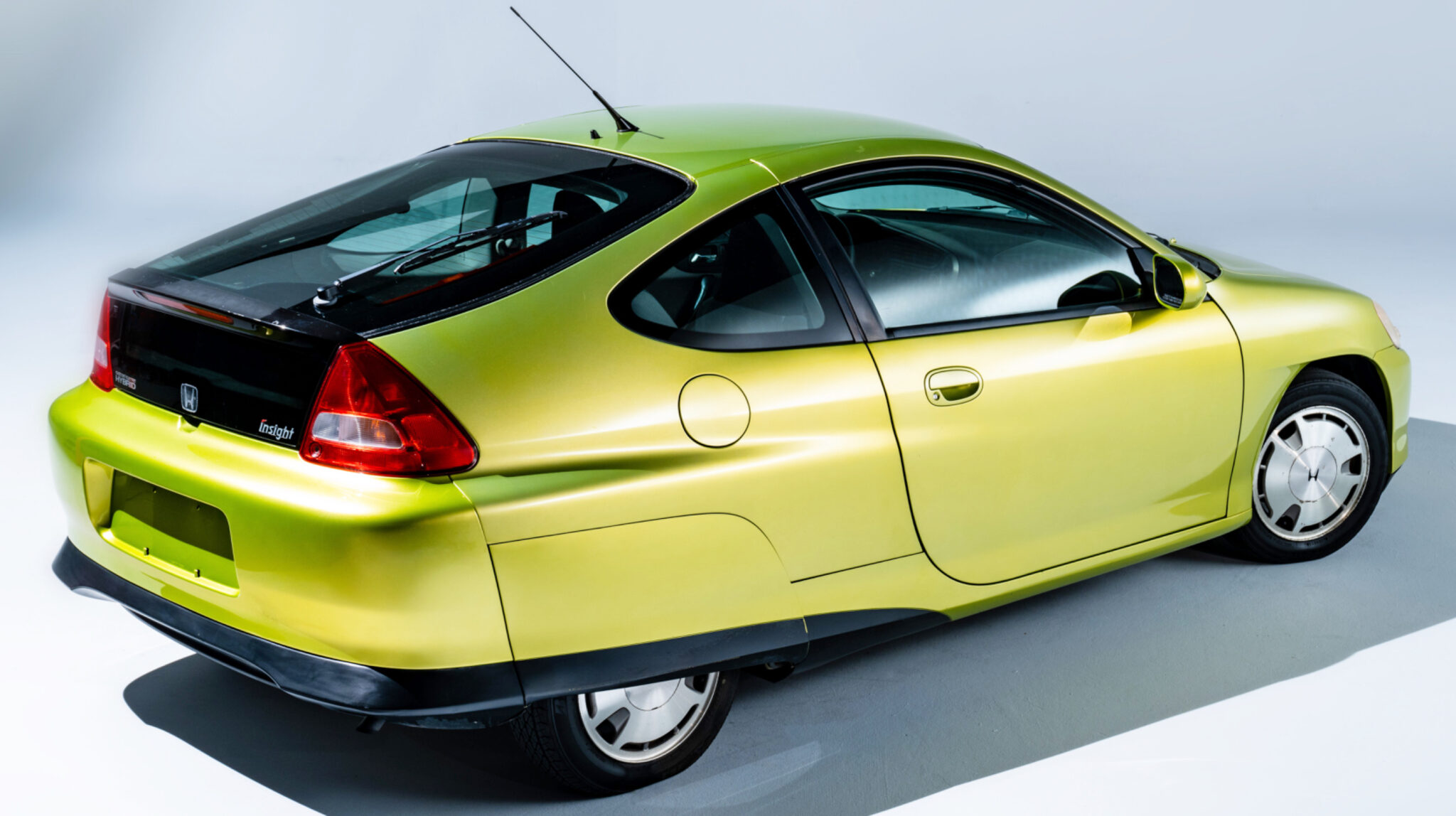
Everyone talks about the Prius, but the Honda Insight beat it to the American market as the first gasoline-electric hybrid by a year. It was a tiny two-seater with fender skirts and a futuristic dashboard that sipped gas and looked like a spaceship. However you feel about hybrids, the Insight brought an extraordinary level of engineering sophistication to a relatively affordable automobile. Honda’s Integrated Motor Assist (IMA) system combined a 1.0-liter, three-cylinder VTEC gasoline engine with a compact electric motor that provided additional power during acceleration while recovering energy during deceleration.
Automatic engine stop-start technology, an advanced nickel-metal hydride battery pack, and sophisticated electronic power management helped deliver 60 mpg fuel economy that was virtually unheard of at the time. Even the instrument panel was futuristic, with digital displays providing real-time fuel consumption information to encourage more economical driving.
Perhaps even more remarkable was the Insight’s construction, which incorporated expensive engineering techniques normally associated with exotic sports cars. Its lightweight aluminum unibody, drawing on technology pioneered by Honda’s NSX supercar, was approximately 40 percent lighter than a comparable steel structure. Extensive use of aluminum and other lightweight materials helped keep the Insight’s weight exceptionally low, while its distinctive teardrop profile, covered rear wheels, carefully sculpted underbody, and exceptionally low 0.25 drag coefficient made it one of the most aerodynamic production automobiles in the world. Additional innovations included electric power steering, low-rolling-resistance tires, and advanced emissions-control technology.
2018 TESLA MODEL 3

When the Tesla Model 3 arrived on the American market in 2017 and became widely available during 2018, it represented a remarkable technological achievement, particularly considering its originally advertised base price of just $35,000. At a time when many electric vehicles were expensive, limited in range, or compromised in performance, the Model 3 offered an impressive combination of efficiency, acceleration, and cutting-edge technology. Its futuristic interior featured a large 15-inch central touchscreen that replaced nearly all conventional dashboard instruments and controls, while over-the-air software updates allowed Tesla to improve vehicle functionality without requiring dealership visits. Other innovations included advanced driver-assistance capabilities, smartphone-based vehicle access, regenerative braking, and access to Tesla’s rapidly expanding Supercharger network. The Long Range version offered an EPA-estimated 310 miles of driving range, an extraordinary accomplishment for a relatively affordable electric sedan in 2018.
Equally impressive was how the Model 3 challenged conventional expectations of what an entry-level luxury automobile could offer. Its purpose-built electric platform provided excellent interior space, a low center of gravity, responsive handling, and exceptionally strong crash-test performance, earning five-star ratings from the National Highway Traffic Safety Administration. The car’s minimalist design, sophisticated battery management, efficient electric powertrain, and continually evolving software made many competing gasoline-powered luxury sedans seem technologically outdated. Although Tesla did not actually make the promised $35,000 Standard Range version available until February 2019, and 2018 models sold at considerably higher prices, the Model 3 demonstrated that advanced electric-vehicle technology could eventually be brought within reach of mainstream buyers. More than simply introducing another electric car, the 2018 Model 3 helped redefine the modern automobile and established a new benchmark for technology, efficiency, and performance in its class