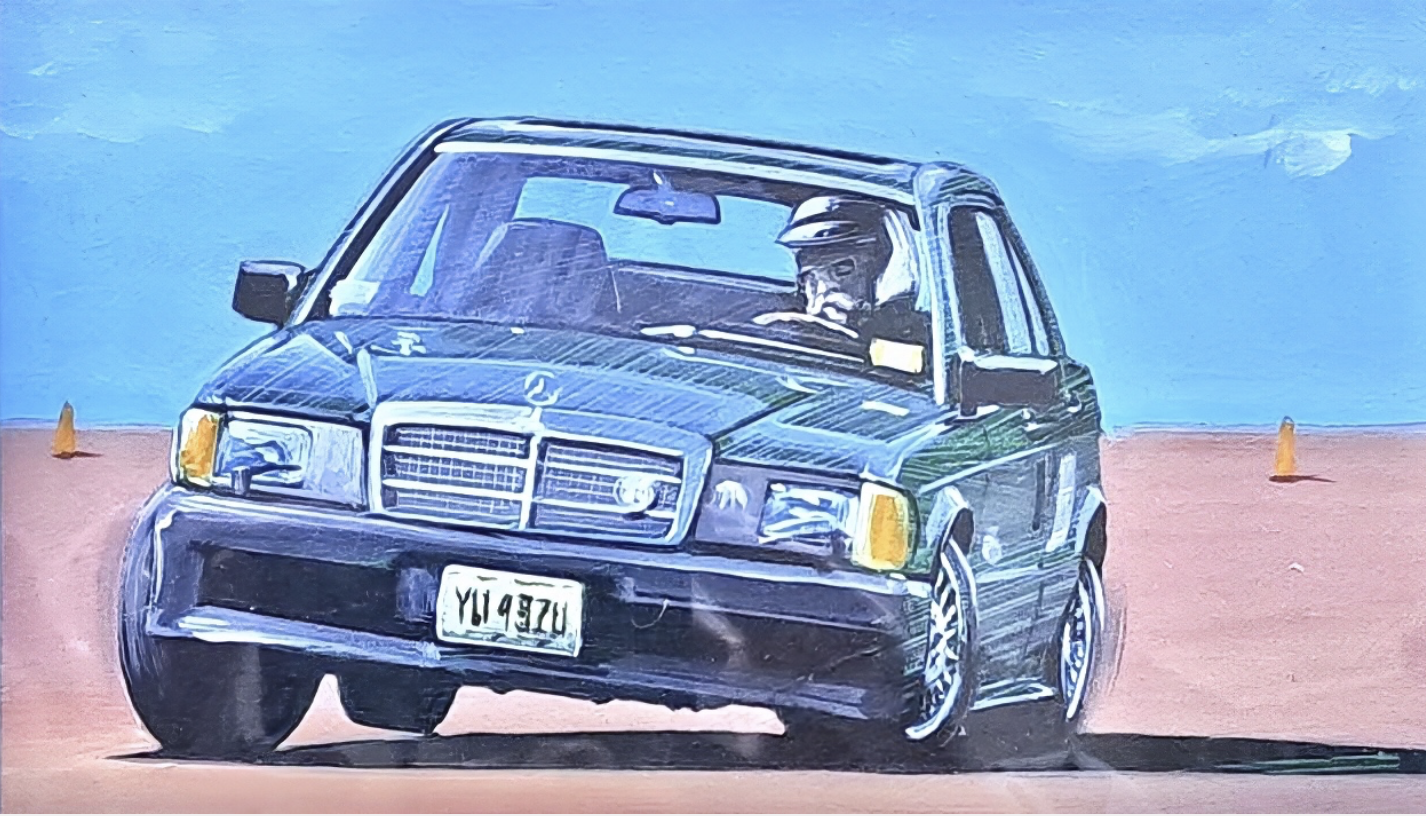
A painting of this author pressing his 1986 Mercedes 190E 2.3-16 Valve model around the curves at Lime Rock Racetrack.
“The journey is the destination.” We’ve all heard this little fortune cookie canard at some point. And, as driving enthusiasts, we can attest to the fact that this cliché just happens to represent the gilt-edged truth. Regardless, the phrase always brings up memories of the first time I drove to Lime Rock Park racetrack in the verdant hills of northwestern Connecticut.
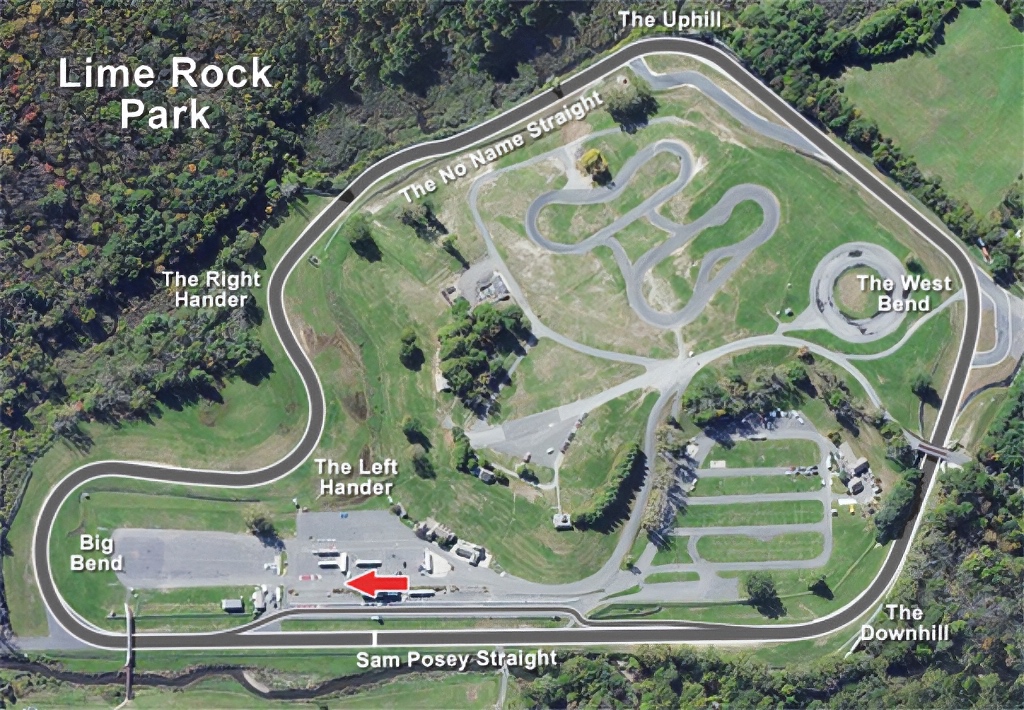
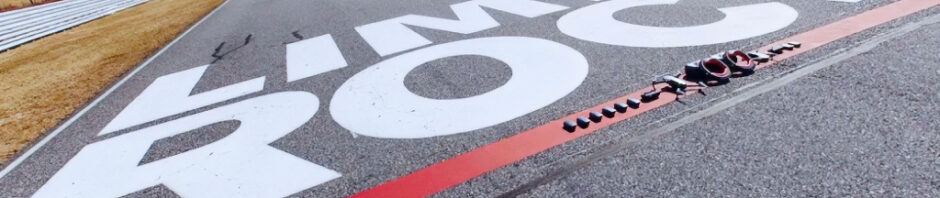
Lime Rock Racetrack
If you’re not familiar with Lime Rock Park, it’s a sports car road racing track measuring 1.5 miles in length that’s located in a pocket valley between the Housatonic River and the Duchess County line. It’s a beautiful track surrounded by lush greenery on all sides – a benefit of being in a valley even though it creates spotty cellular service.
Back in 1979, Lime Rock Park scheduled a vintage race car weekend at the track and I went as a spectator. These vintage racing events proved so popular that it led to what became the “Lime Rock Historic Festival” racing event for all years and types of classic cars held annually each Labor Day weekend.
I learned then what I share with you today, and that’s the fact that the drive to the track can truly be considered part of the lore of auto aficionado nirvana. Specifically, the stretch of Route 7 between Kent and Lime Rock is truly sports car heaven. The road throws you every type of curve imaginable as you alternatively climb and dive through glorious scenery.
That particular morning so many years ago I found myself on Route 7 dicing with a British racing green AC Bristol as we headed North to our destination. The little aluminum bodied English car with its German designed engine scrambled for grip at the apexes on narrow Dunlop racing cord rubber. The AC pilot knew what he was doing and managed to wring the maximum performance out of his vintage vehicle.
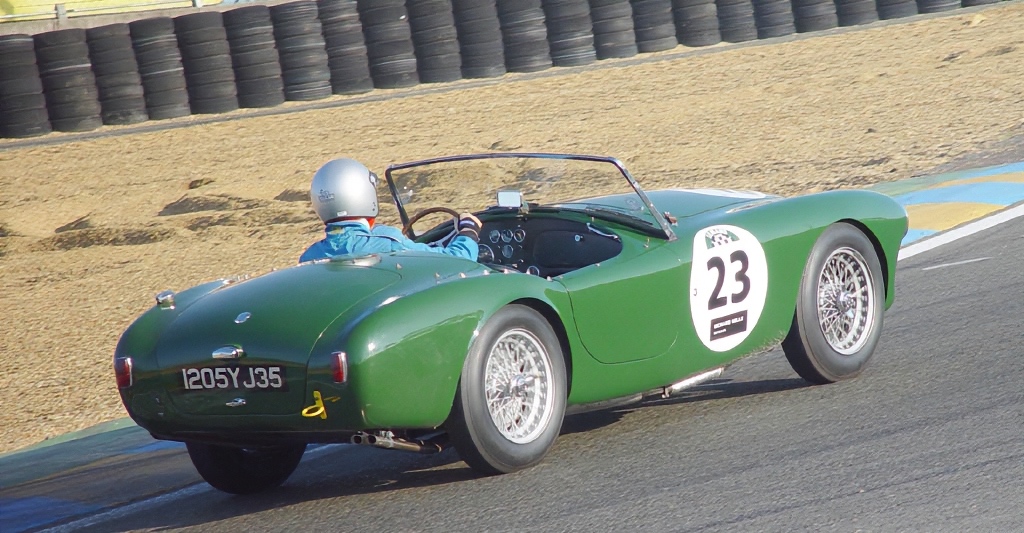
1956 AC Ace Bristol
What a great experience it was as I kept on his tail in the twisty bits with my diesel starship, a 1965 Mercedes 190D. When we both arrived at Lime Rock I had a chance to talk with the owner of the AC in the paddock. He showed me the straight six engine with its hemispheric combustion chambers and unique cross-over push rods. It was a classic BMW design from the 1930s powering a uniquely reliable English car from the 1950s.
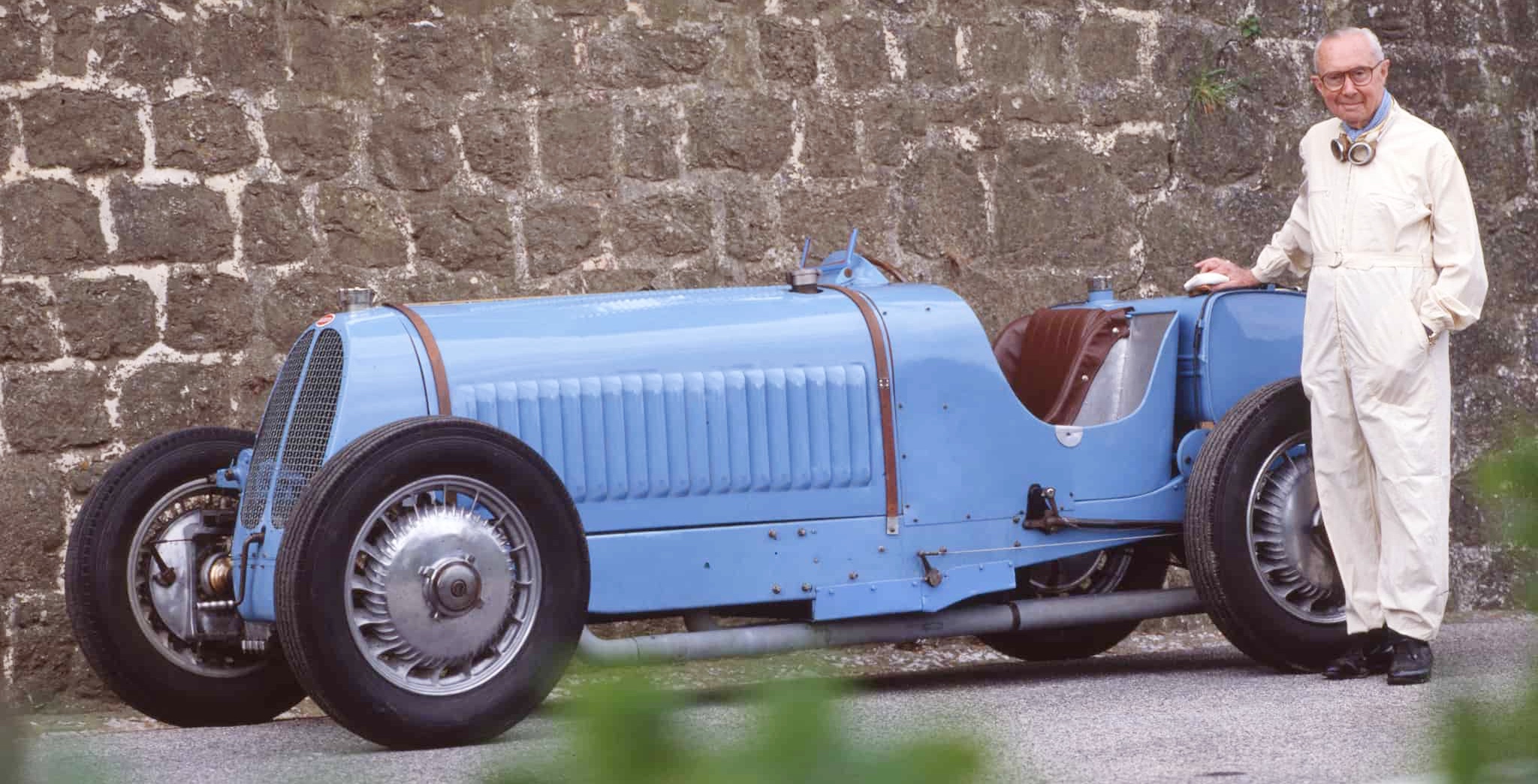
Rene Dreyfus.
That vintage weekend at Lime Rock in 1979 featured an appearance by the legendary French prewar grand prix driver, Rene Dreyfus, behind the wheel of a 1935 competition Bugatti. It was an inspiration to see this dashing elderly gentleman deftly drift a priceless classic race car through the Lime Rock “S” curves. I was hooked on vintage motor sports and on Lime Rock Park and, in subsequent years, I visited the track many times – putting various vehicles I’ve owned through their paces.
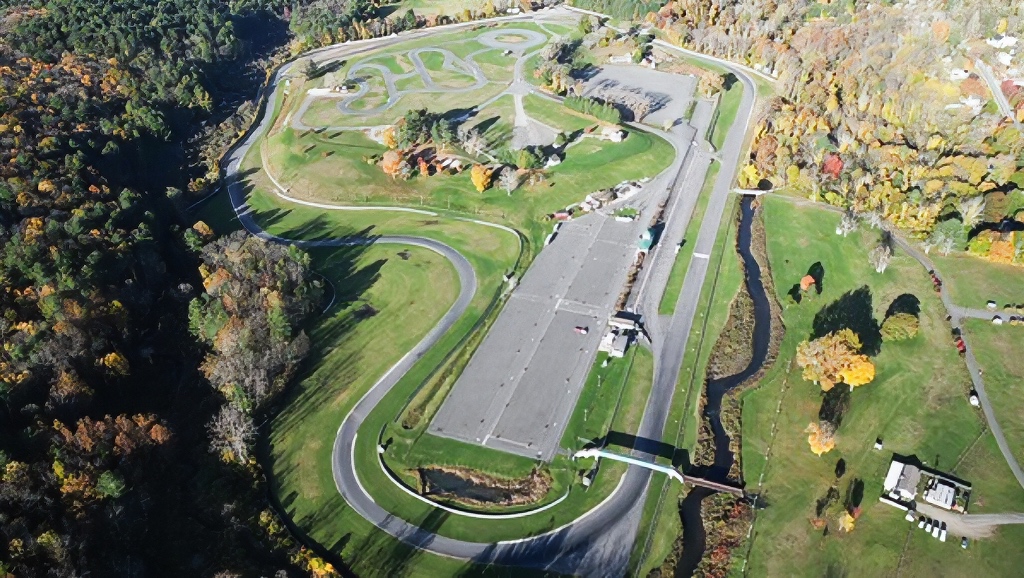
Lime Rock Racetrack
All these reflections brought up memories of another, more recent trip to Lime Rock in the summer of 2006. My local Mercedes-Benz club had purchased five slots from another car club for a day of drivers’ education on the track, and I lucked out with my registration. Drivers education is not competition, although you might not realize it if you were casually looking on from the side lines. In “driver’s ed” you do laps of the track – first with an instructor, and then solo.
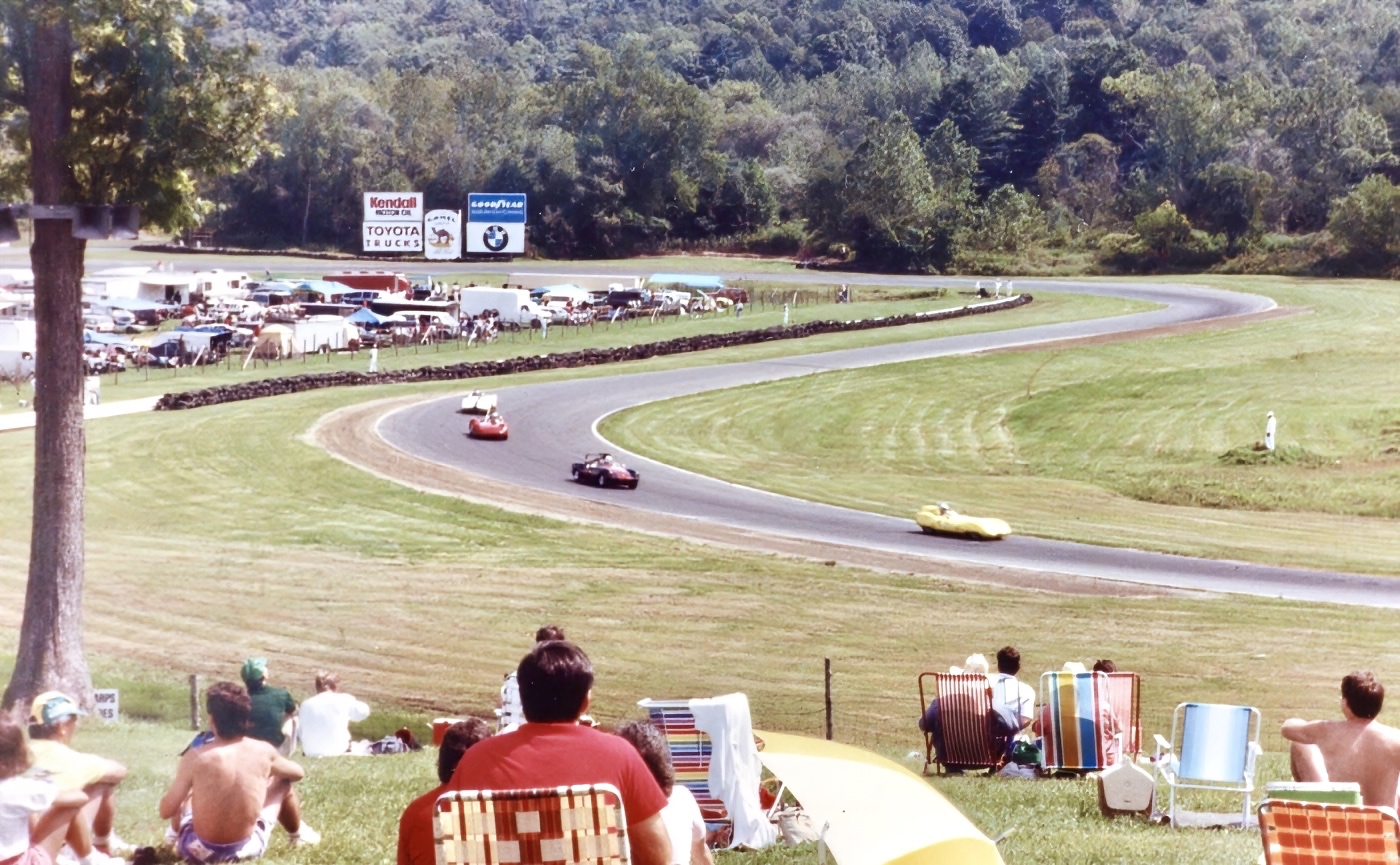
Lime Rock Racetrack, Vintage Race Day, 1990.
Photo – Richard Reina
There is no timing, no winners or losers. It’s just a way of honing high speed driving skills in a controlled, track environment. However, the absence of trophies does not mean an absence of adrenaline. The student drivers are doing their best to extract the maximum performance from their mounts. My C230K sports coupe and I found ourselves in a run group with a bouquet of Lotuses. Lotus Elise sports cars, that is.

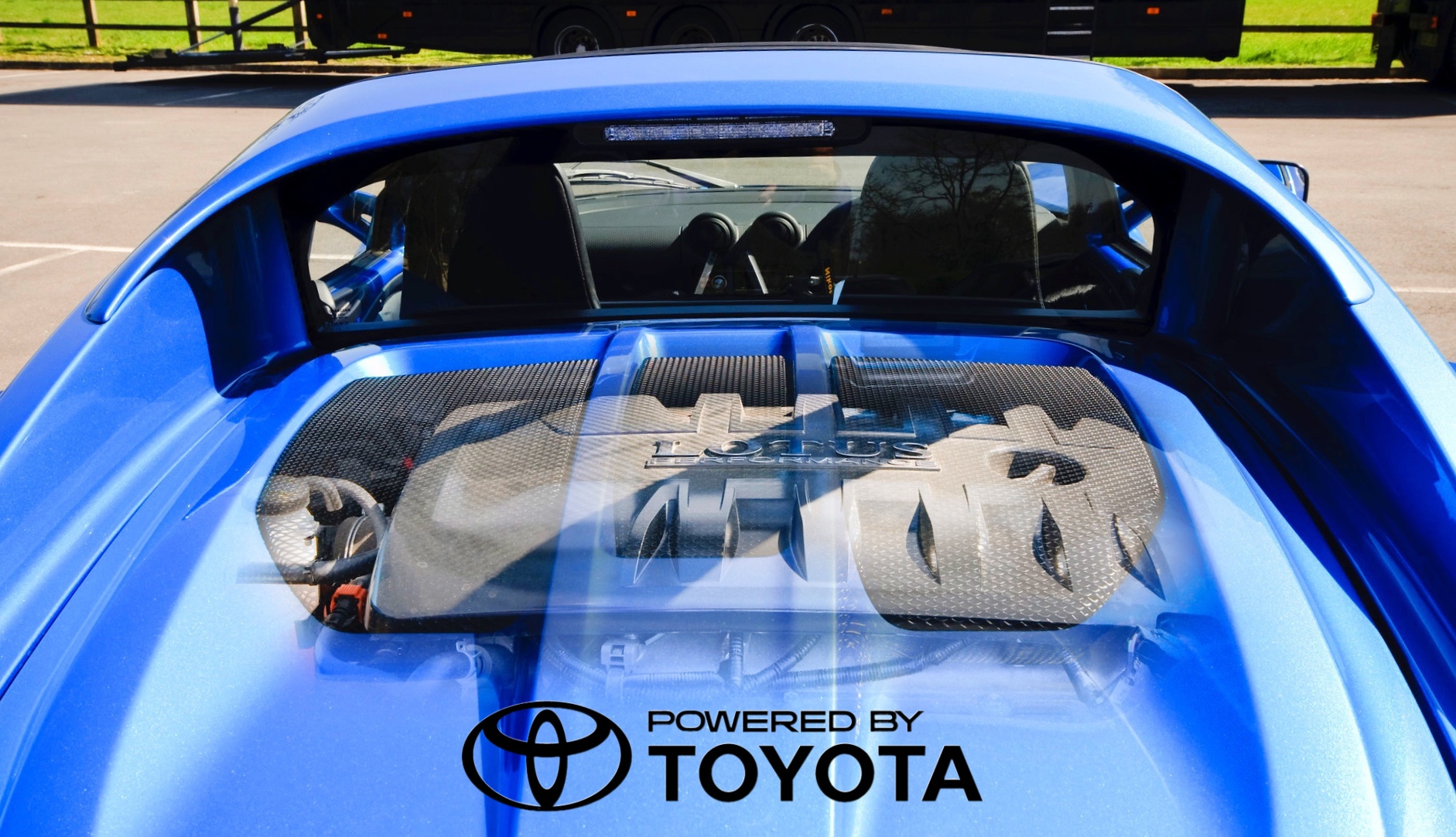
These fiberglass bodied English vehicles are powered by Toyota engines. They are very light and have blistering acceleration on the straights. As we lapped the track my C230K and the Lotuses would bunch up in the tight curves but the British cars would pull away on the straights. While the Mercedes coupe and the Lotuses have similar power, the Spartan coachwork of the fiberglass cars weighs nearly a thousand pounds less.
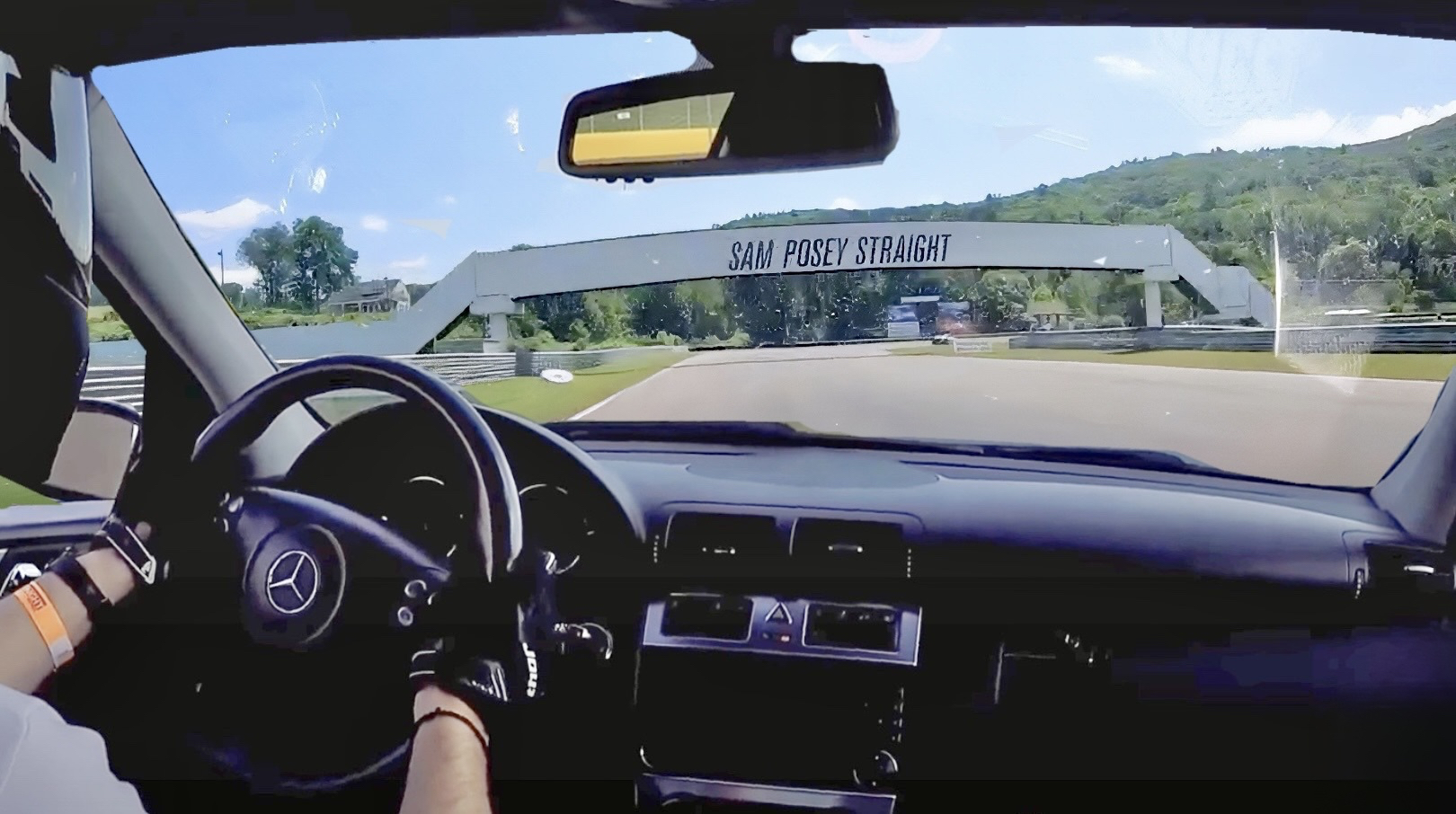
During a long day at the track, my starship was barely breaking a sweat. Engine temperature was just over 80 degrees Centigrade, all systems were functioning normally. No surprise here. Our starships are built for flat out performance around the clock. Surprisingly enough none of the Lotuses broke either. After following a British racing green Lotus around the track at Lime Rock for multiple laps, I experienced a sense of déjà vu. Here I was again in the green hills of Connecticut glued to the tail of a green English sports car.
I guess the moral of the story is, if you must buy a British car, make sure it’s powered by either BMW or Toyota!
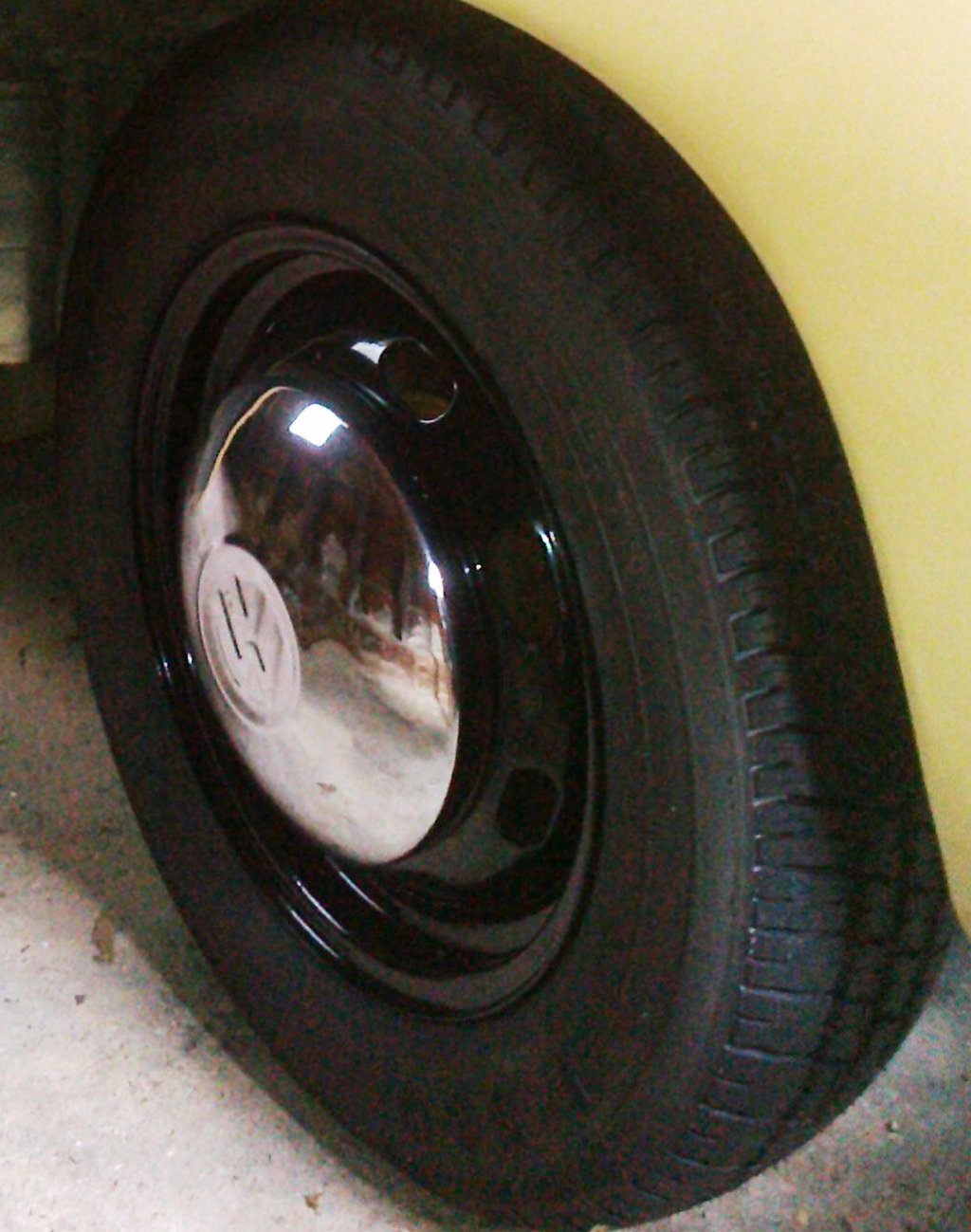 1969 Volkswagen Karmann Ghia wheelPhoto: Genna Rae
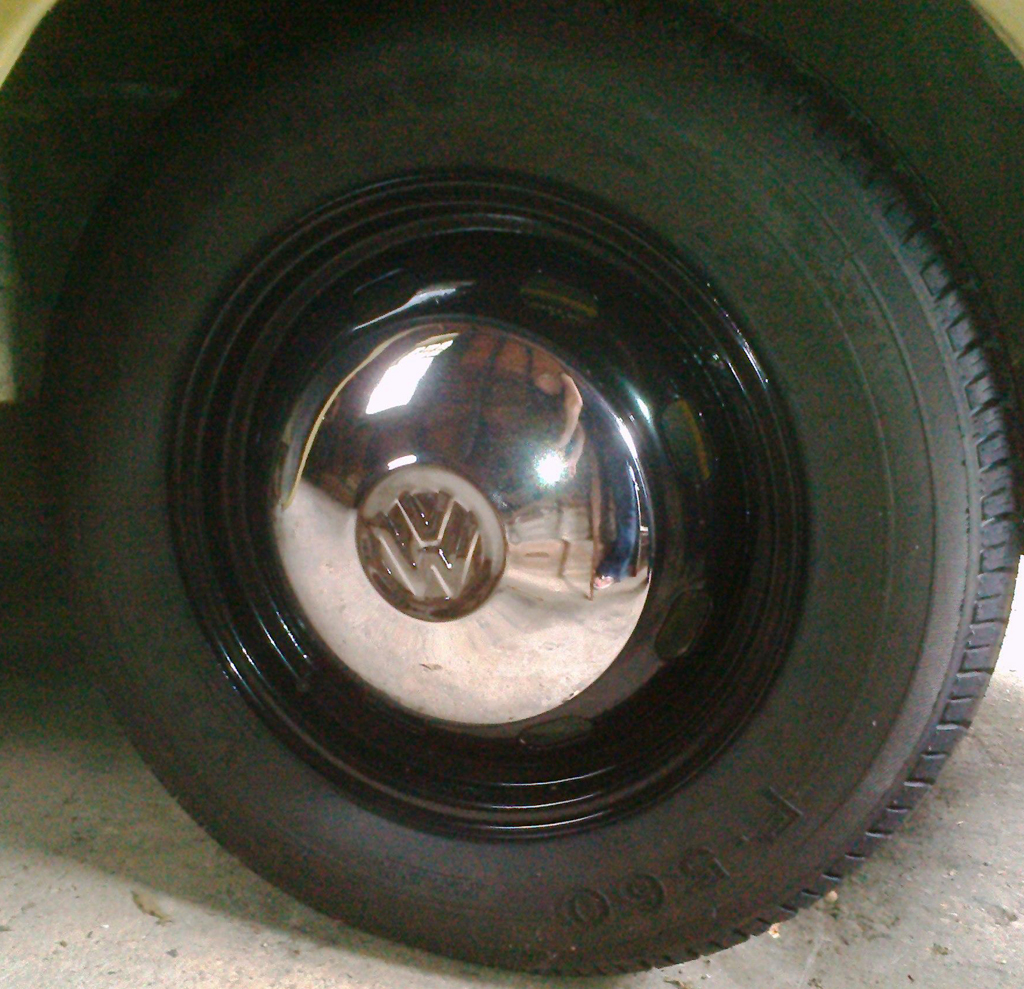 1969 Volkswagen Karmann GhiaPhoto: Genna Rae
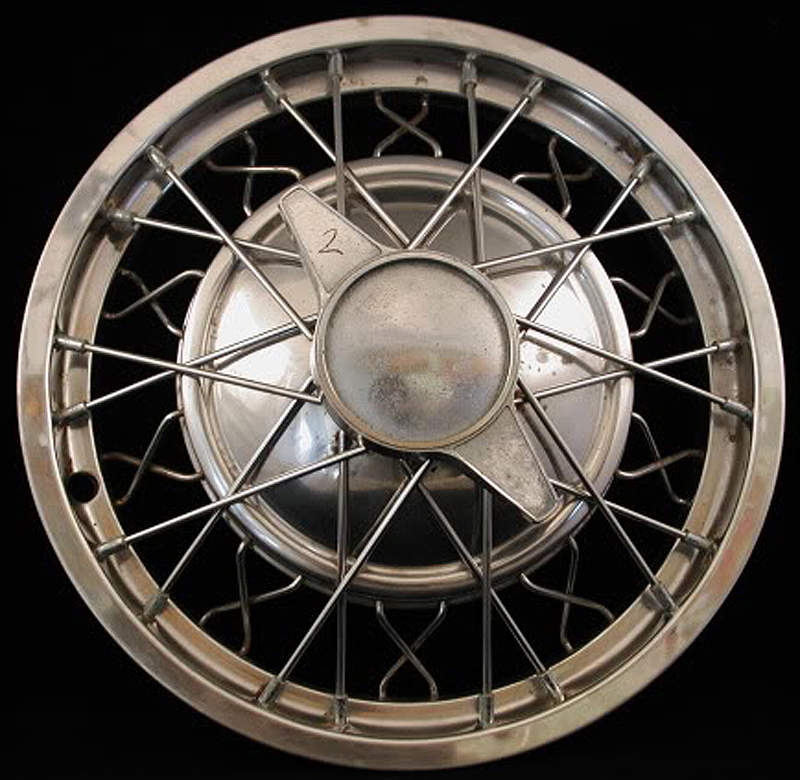 50s Calnevar aftermarket hubcaps shPhoto credit: T. Gorski
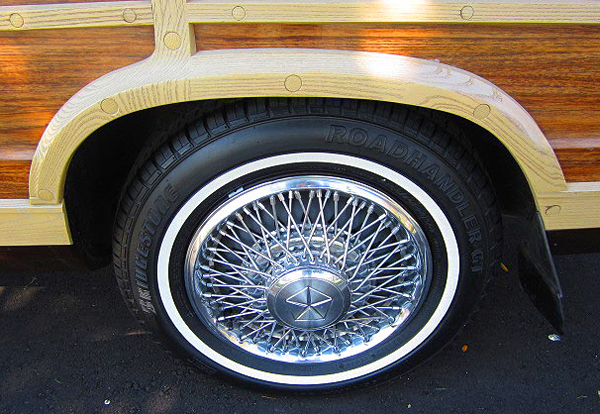 Chrysler LeBaron Town & Country wheel cover
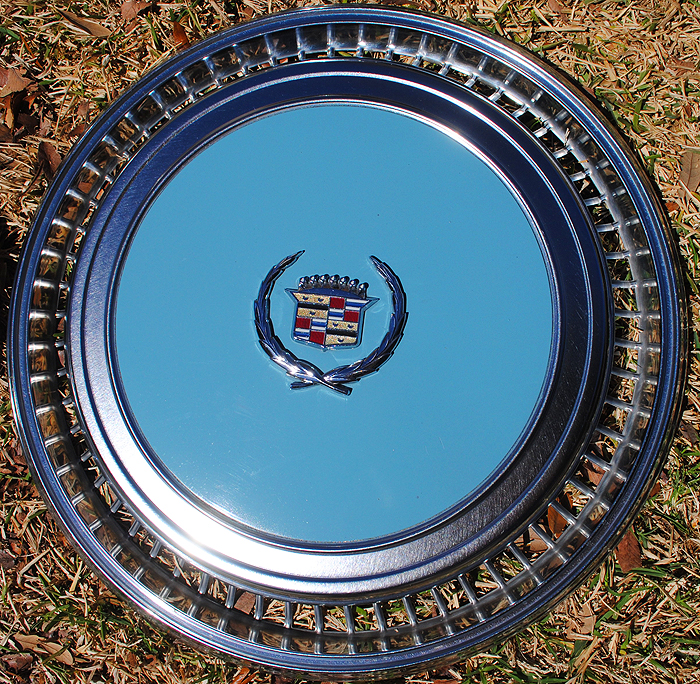 Cadillac Eldorado painted wheel cover 1976-78Photo: Nate Smith
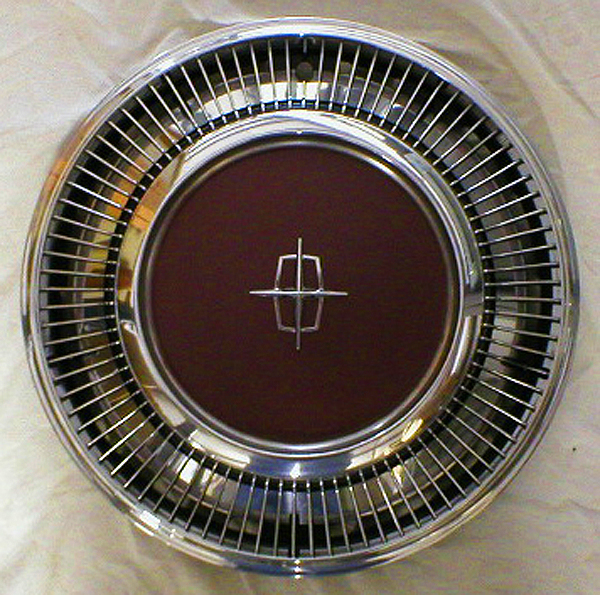 1974 - 1976 Lincoln Continental wheel coverPhoto credit: H. Carver
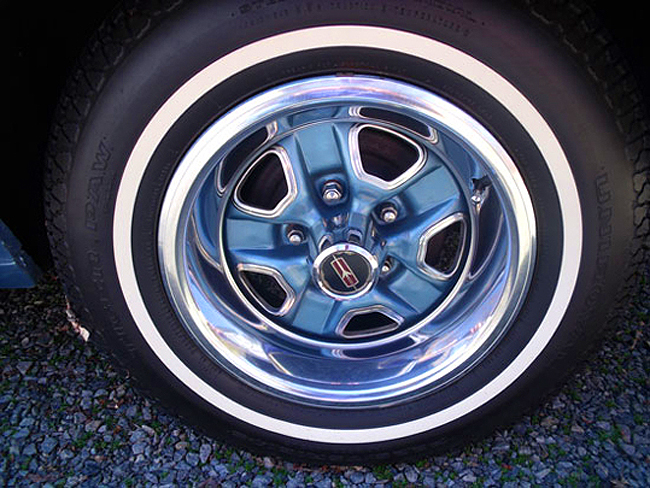 1969 Oldsmobile Cutlass Supreme rallye wheelPhoto: C. DeMarco
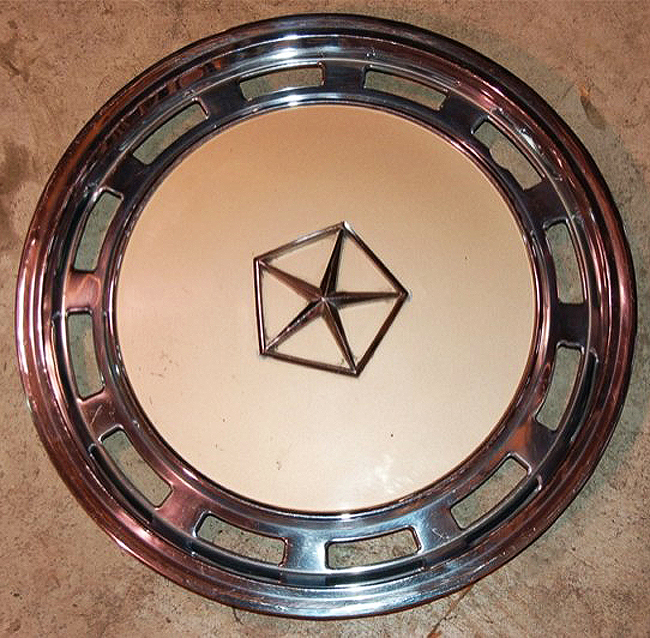 Chrysler 1980s painted wheel coverPhoto: O. Stein
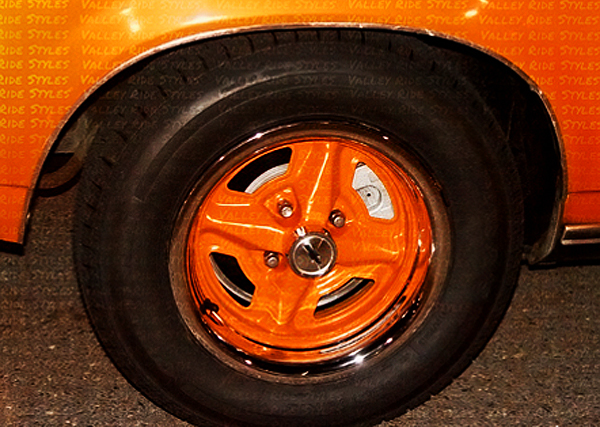 13-inch General Motors color matched wheel 1975-80Photo: Valley Ride Styles
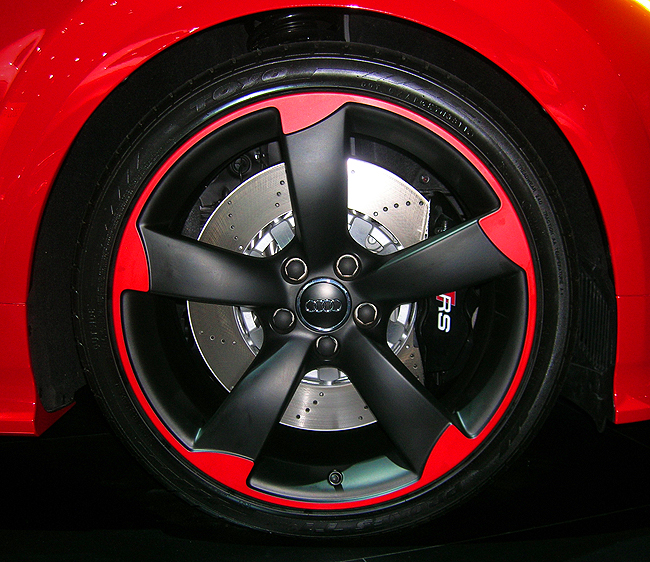 Audi TT RS wheelPhoto: Sean Connor
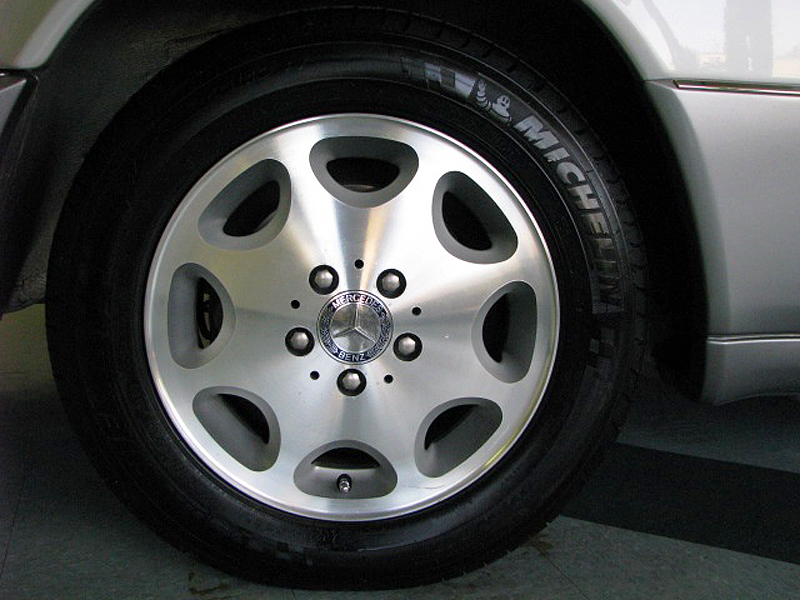 1994 - 1995 Mercedes E320 Cabriolet wheel
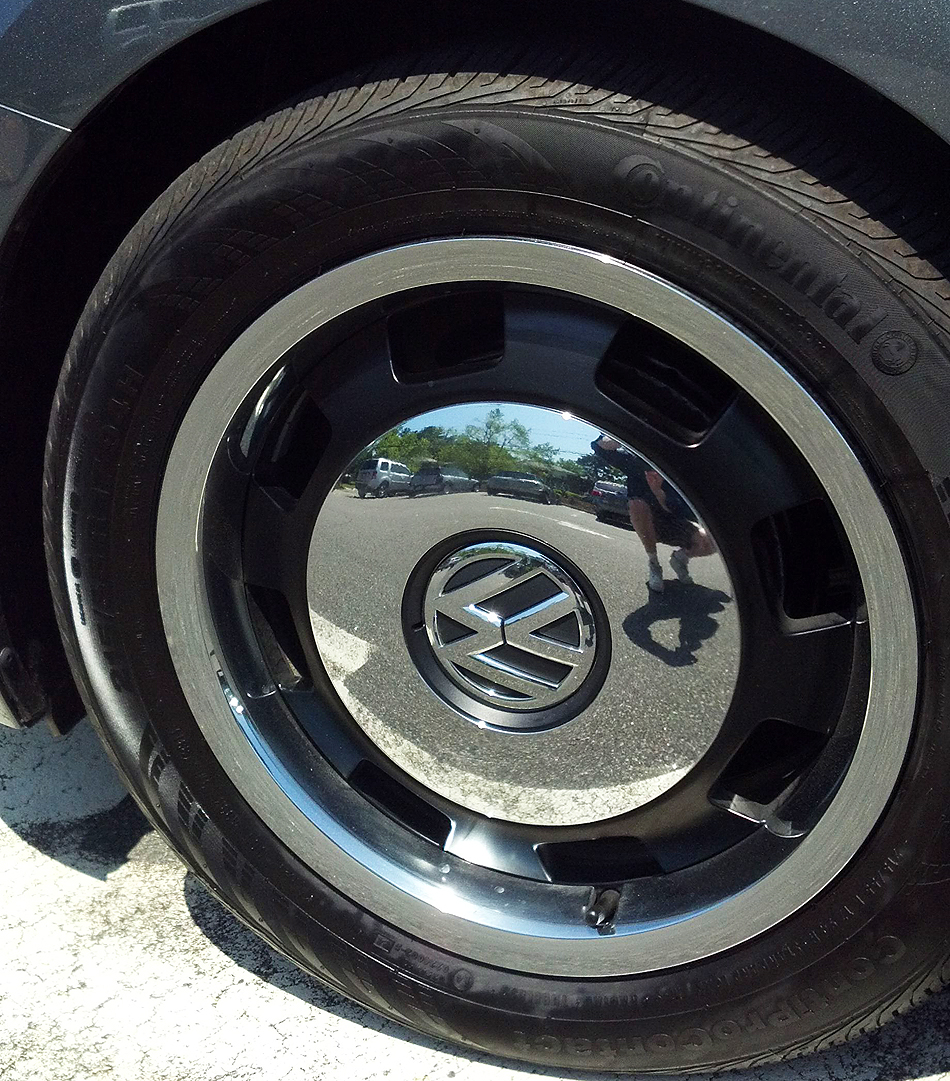 2012 Volkswagen Beetle 2.5 standard wheel
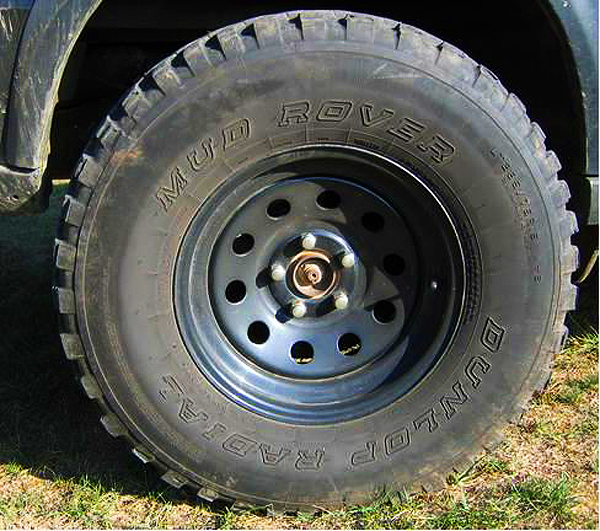 16-inch black steel Land Rover off-road wheelsPhoto credit: J. Getty
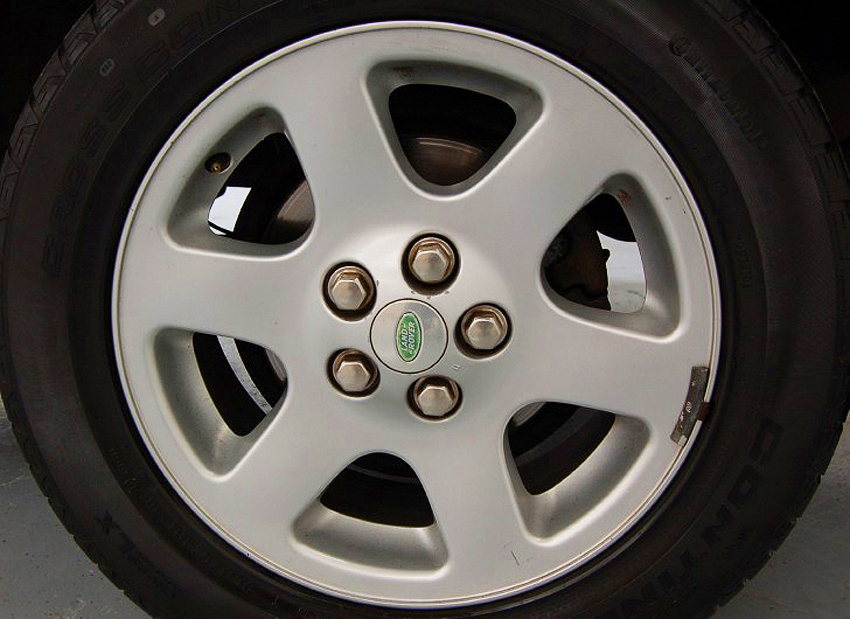 18-inch aluminum wheel on 2003 - 2004 Land Rover Discovery HSE
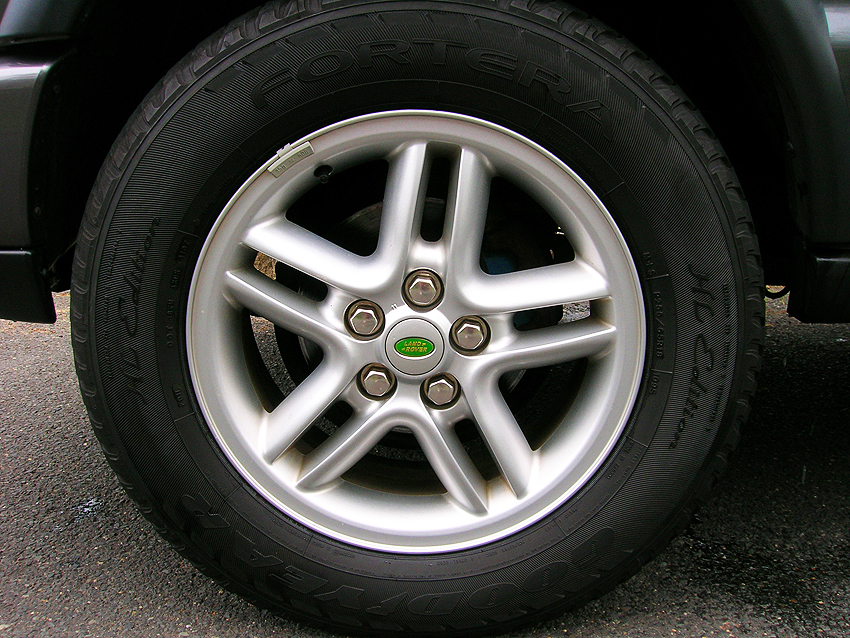 18 inch "Hurricane" aluminum wheel standard on 2002-2004 Discovery SE
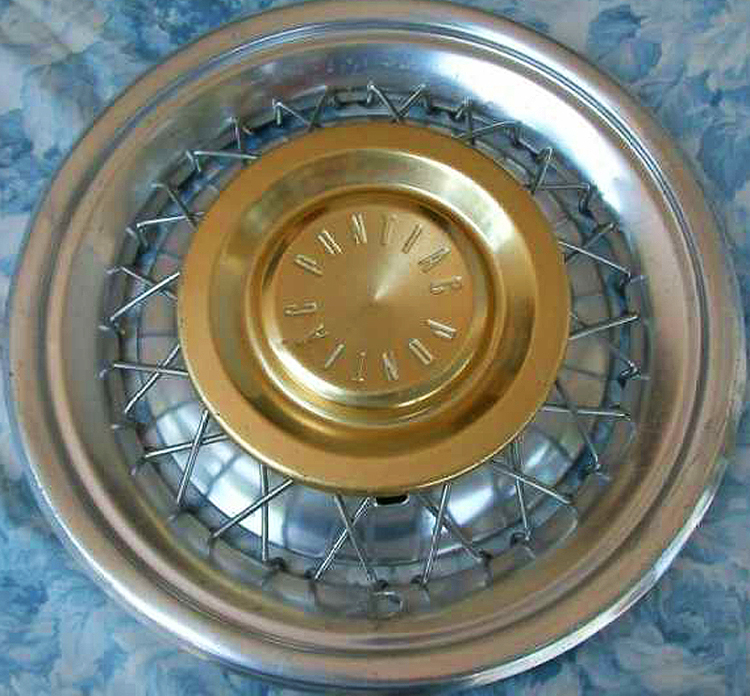 1957 - 1958 Pontiac wire wheel cover(Photo credit: R. Ulrich)
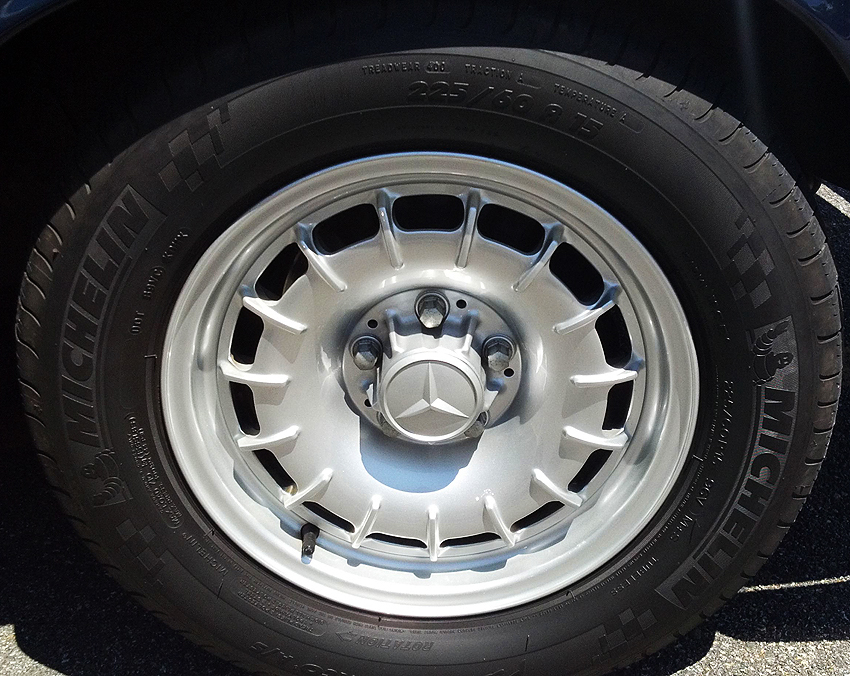 1972 Mercedes 280SE 4.5 equipped with repro 15-inch alloy wheels(Photo credit: Sean Connor)
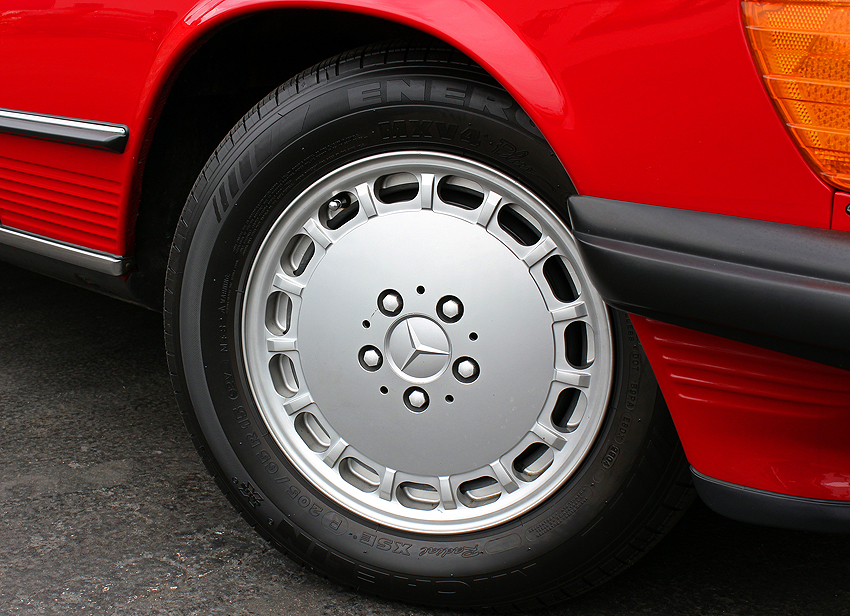 560SL 15-inch aluminum wheel
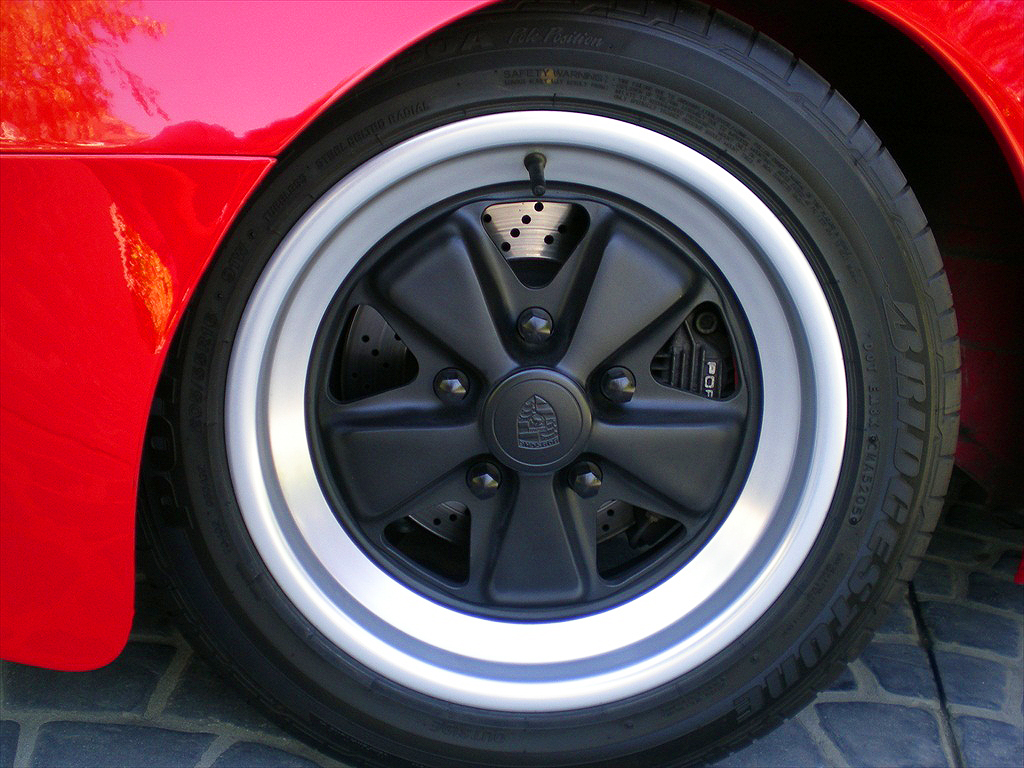 1981 Porsche 924 Carrera GT aluminum wheel
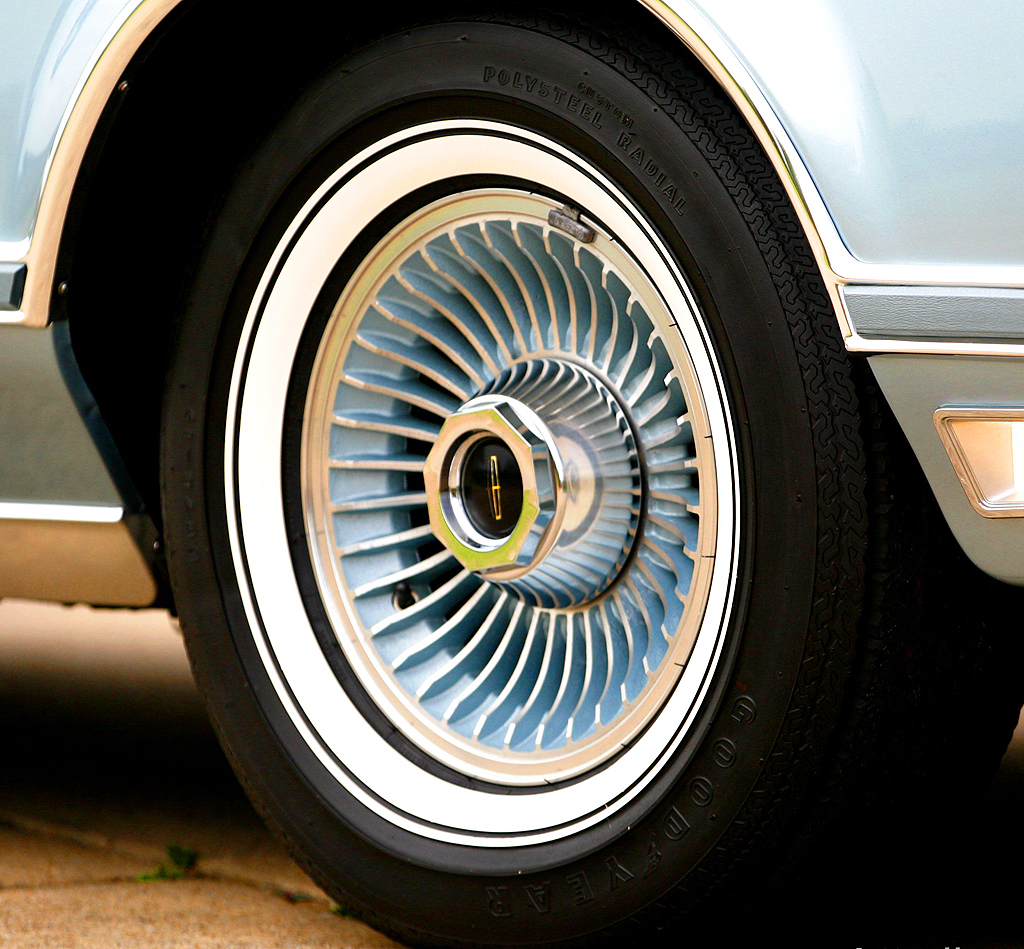 1978 Lincoln Mark V DJ blue wheel b(Photo credit: M. Garrett)
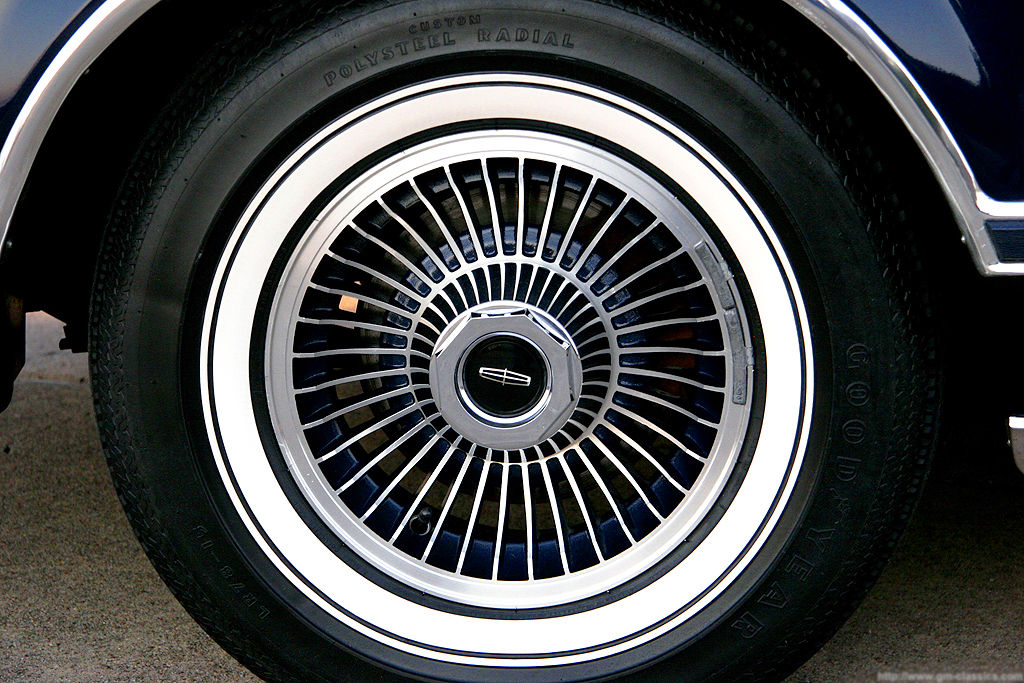 1979 Lincoln Mark V Collectors Series navy blue painted wheel(Photo credit: M. Garrett)
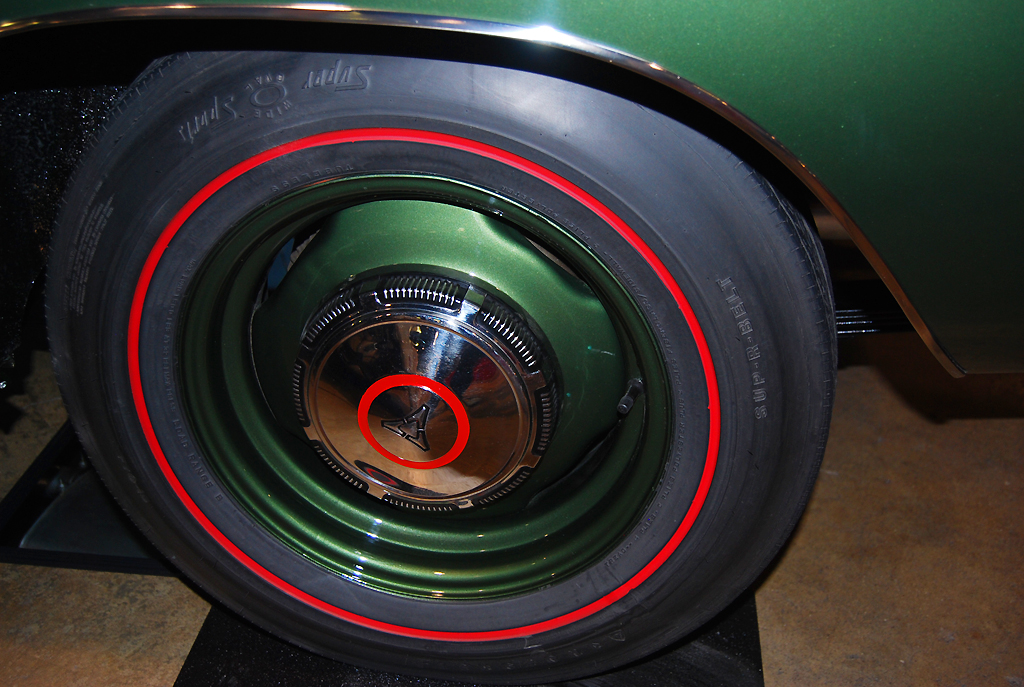 1969 Dodge Charger RT Hemi wheel with center hub cap
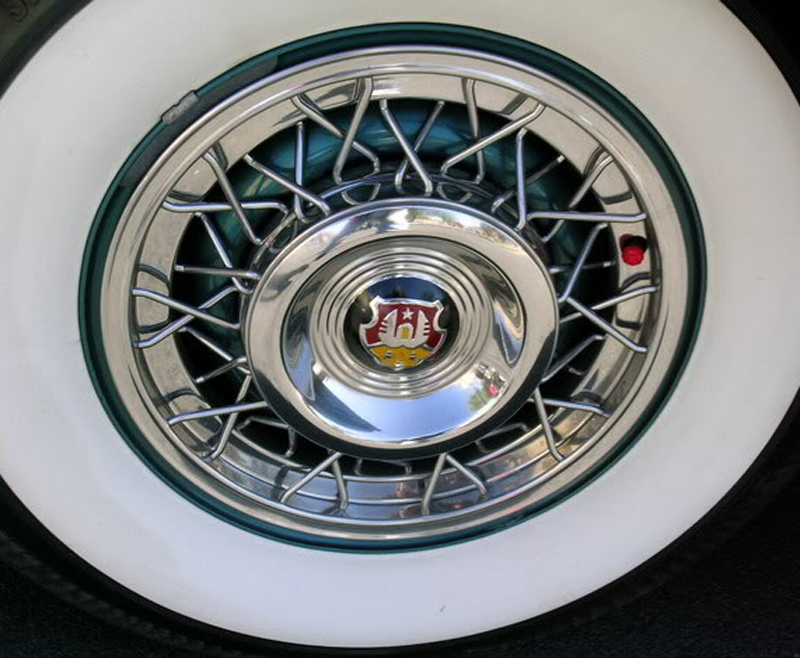 1953 Oldsmobile wire-wheel
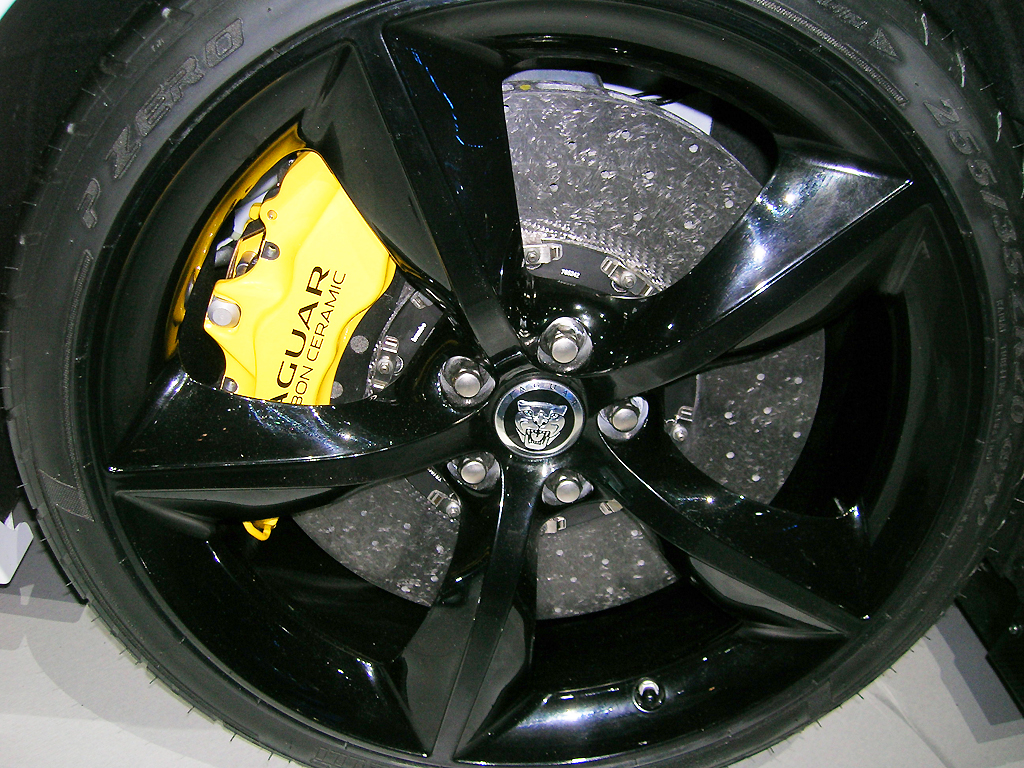 2014 Jaguar XK RS GT wheel at the 2013 New York Auto Show(Photo credit: Sean Connor)
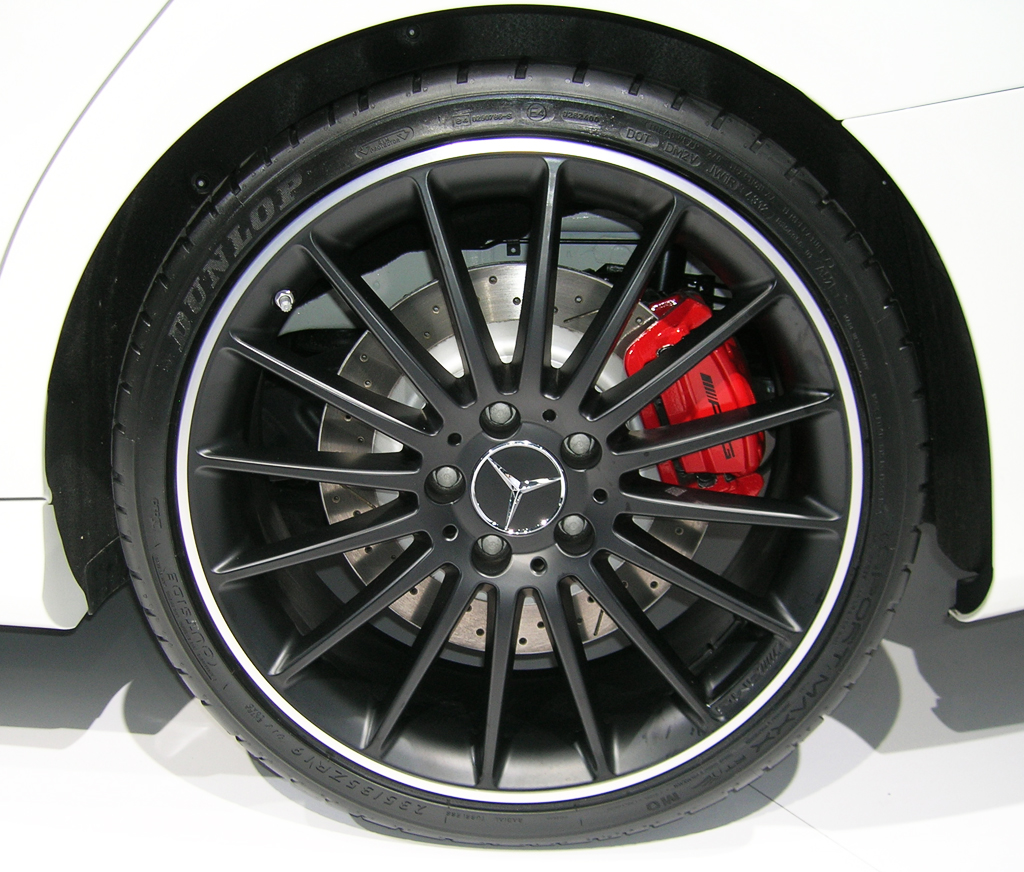 2014 Mercedes CLA45 AMG wheel at the 2013 New York Auto Show(Photo credit: Sean Connor)
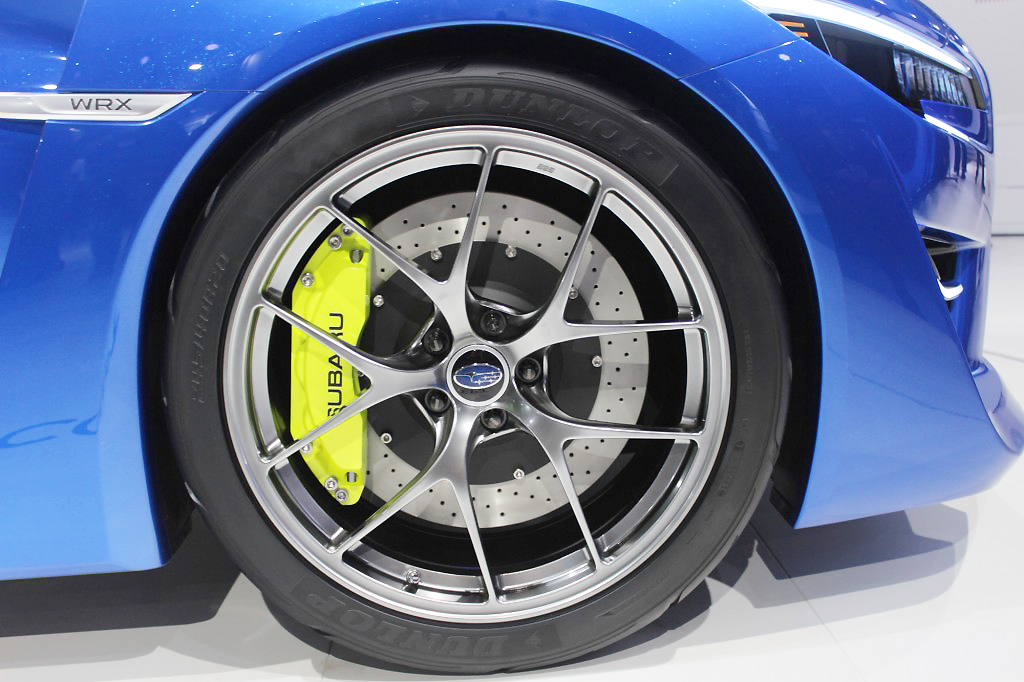 2013 Subaru WRX concept wheel at the 2013 New York Auto Show
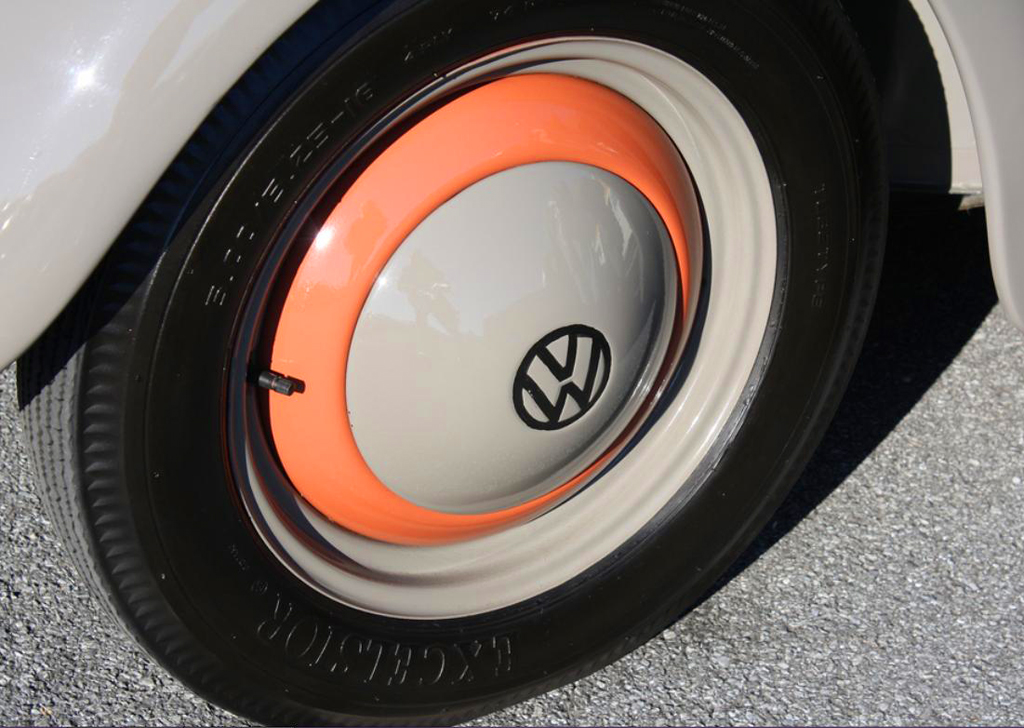 1952 Volkswagen wheelPhoto credit: L. Jacobs
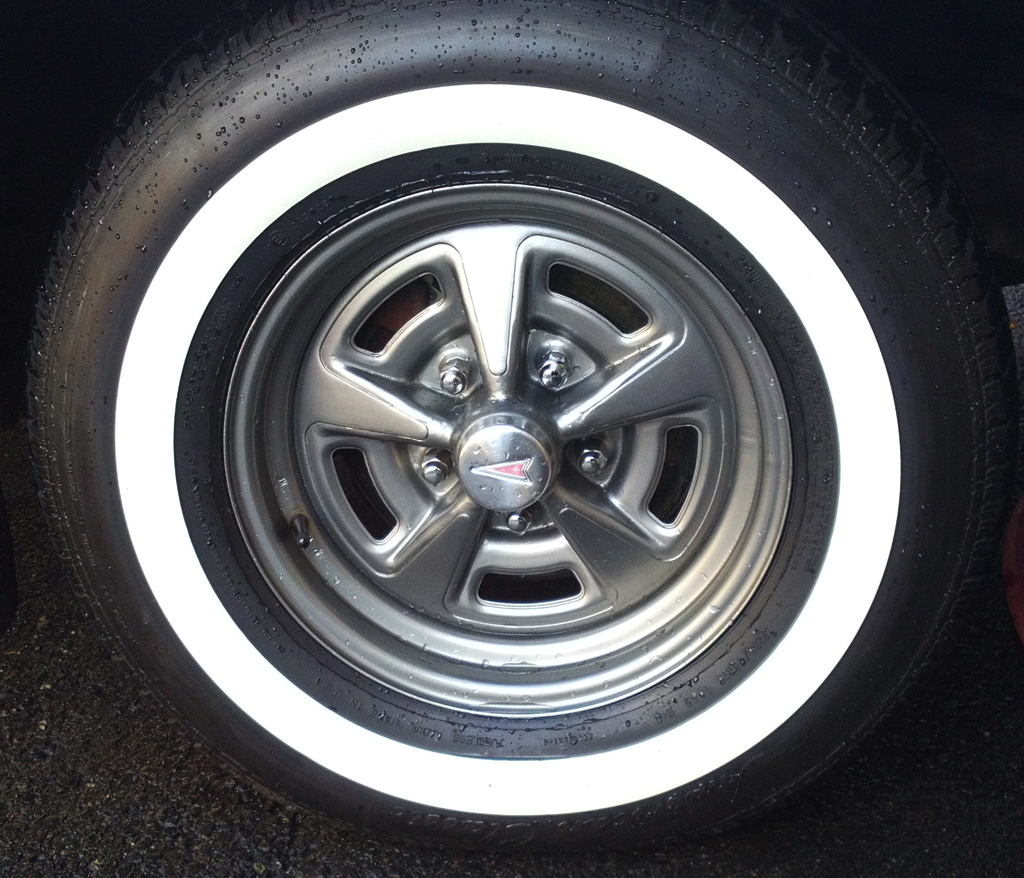 1975 Pontiac Grand Ville rallye wheelPhoto credit: Sean Connor
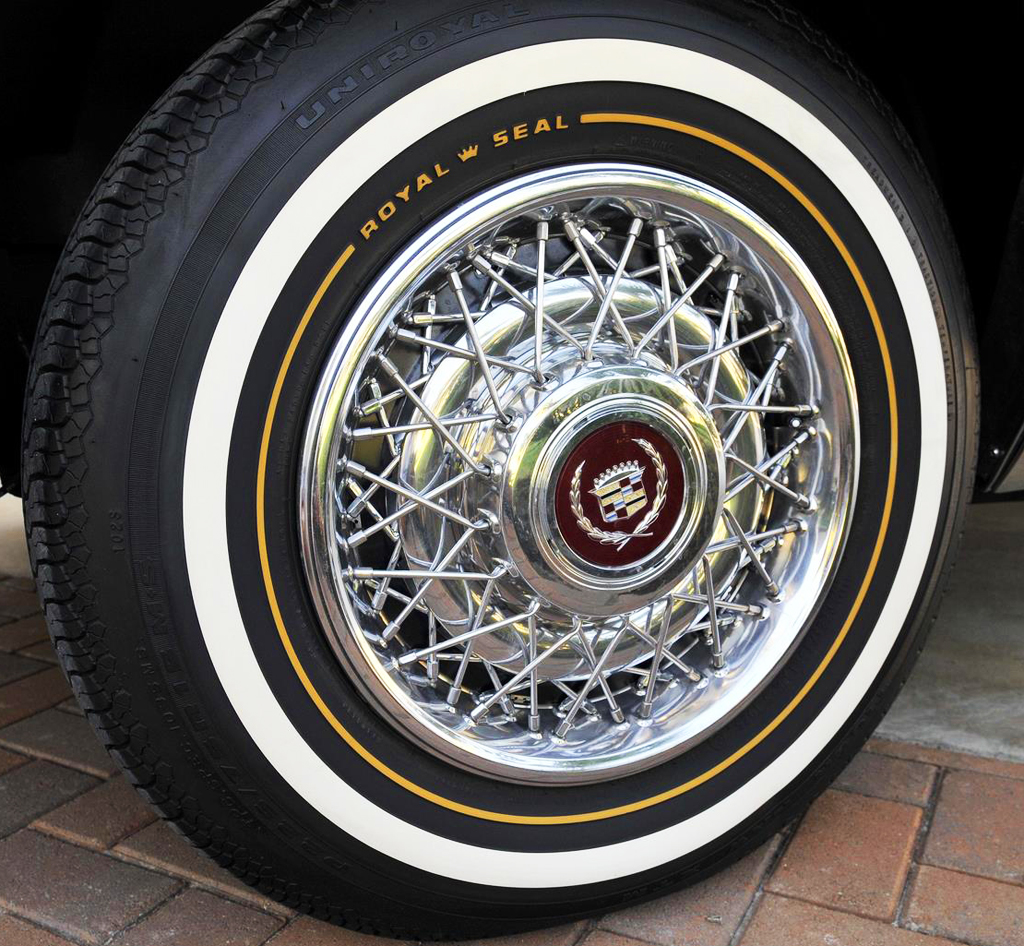 1991 Cadillac Fleetwood Brougham wire wheel cover
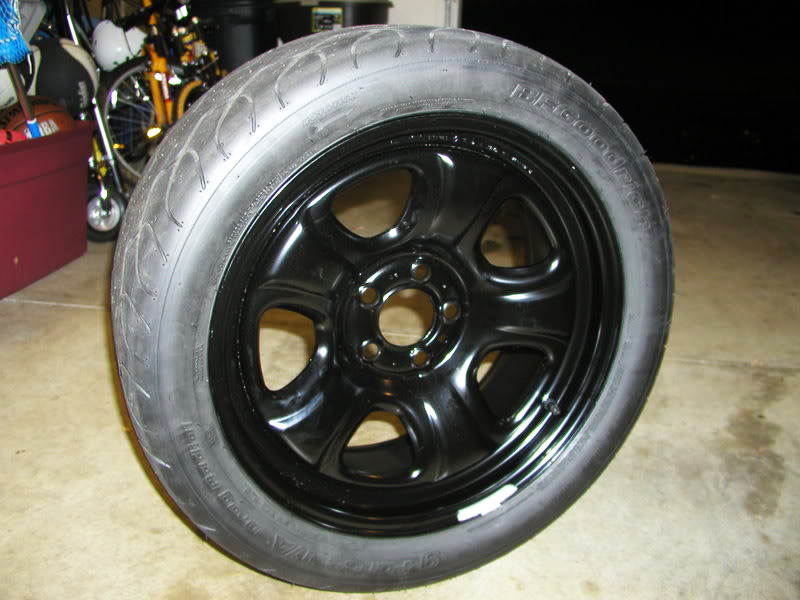 Dodge Charger all-black police car wheel a
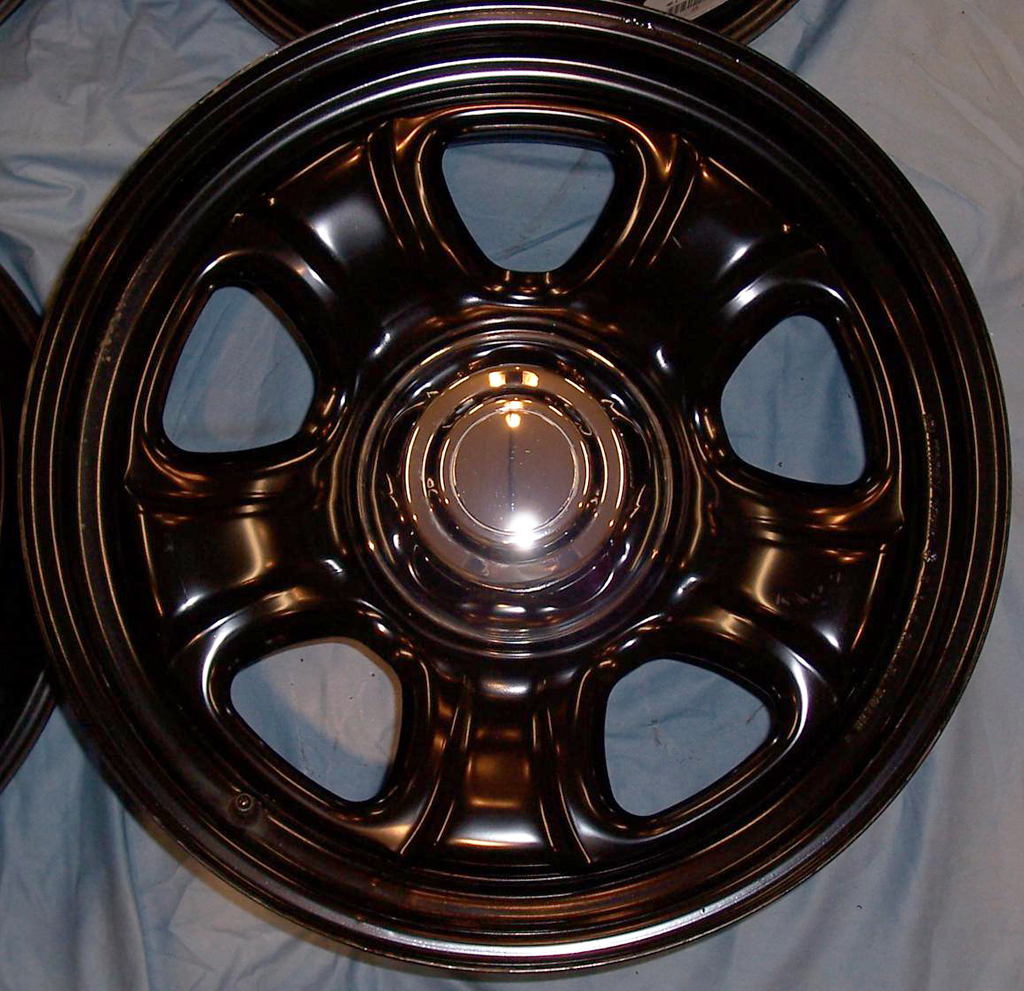 Dodge Charger all-black police car wheel b
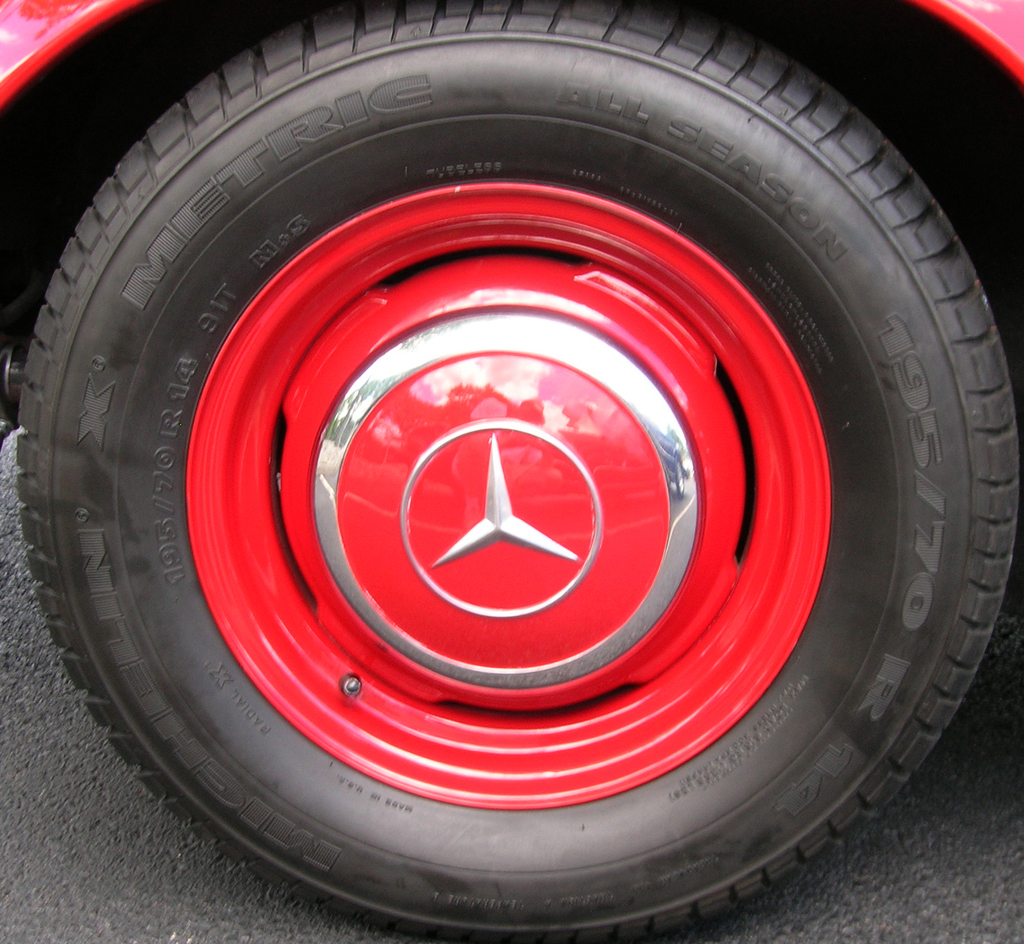 1963 Mercedes 230SL wheel at the 2013 June Jamboree in Montvale, NJPhoto: Sean Connor
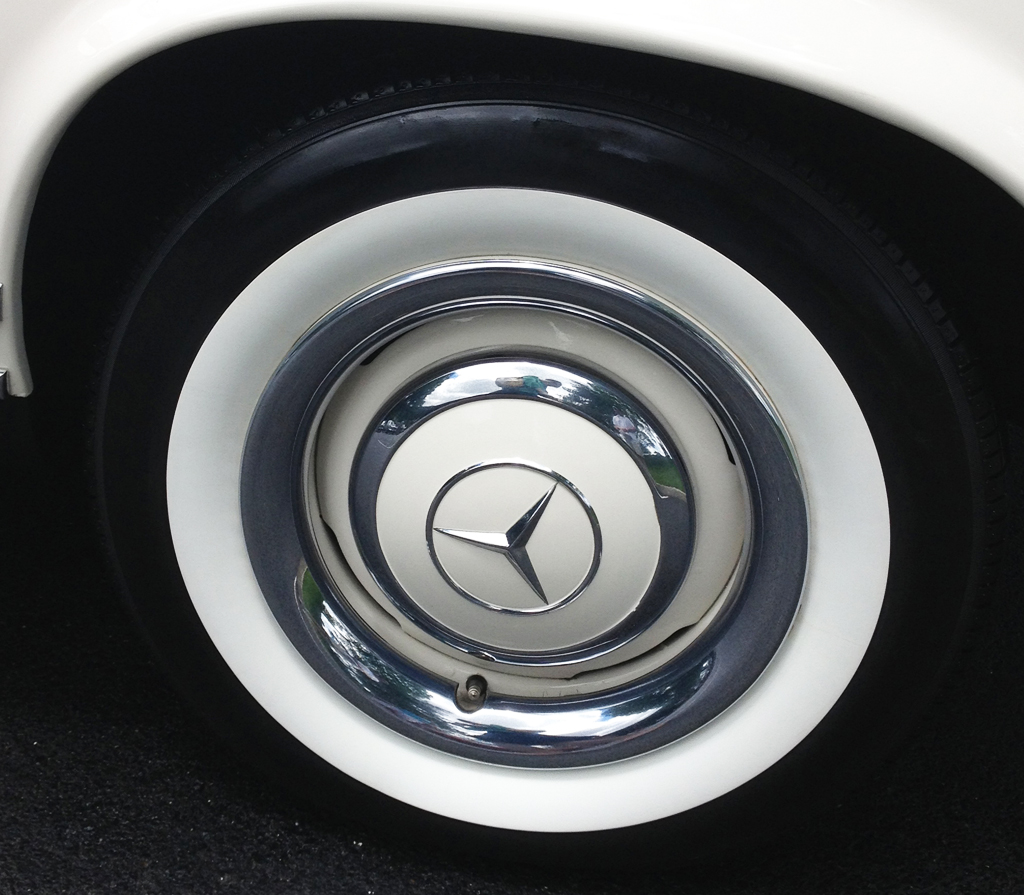 1964 Mercedes 230SL wheel at the 2013 Mercedes-Benz June JamboreePhoto: Kristi Burns
Commentary – Reflections On Visits to Lime Rock Racetrack in Connecticut
A painting of this author pressing his 1986 Mercedes 190E 2.3-16 Valve model around the curves at Lime Rock Racetrack.
“The journey is the destination.” We’ve all heard this little fortune cookie canard at some point. And, as driving enthusiasts, we can attest to the fact that this cliché just happens to represent the gilt-edged truth. Regardless, the phrase always brings up memories of the first time I drove to Lime Rock Park racetrack in the verdant hills of northwestern Connecticut.
Lime Rock Racetrack
If you’re not familiar with Lime Rock Park, it’s a sports car road racing track measuring 1.5 miles in length that’s located in a pocket valley between the Housatonic River and the Duchess County line. It’s a beautiful track surrounded by lush greenery on all sides – a benefit of being in a valley even though it creates spotty cellular service.
Back in 1979, Lime Rock Park scheduled a vintage race car weekend at the track and I went as a spectator. These vintage racing events proved so popular that it led to what became the “Lime Rock Historic Festival” racing event for all years and types of classic cars held annually each Labor Day weekend.
I learned then what I share with you today, and that’s the fact that the drive to the track can truly be considered part of the lore of auto aficionado nirvana. Specifically, the stretch of Route 7 between Kent and Lime Rock is truly sports car heaven. The road throws you every type of curve imaginable as you alternatively climb and dive through glorious scenery.
That particular morning so many years ago I found myself on Route 7 dicing with a British racing green AC Bristol as we headed North to our destination. The little aluminum bodied English car with its German designed engine scrambled for grip at the apexes on narrow Dunlop racing cord rubber. The AC pilot knew what he was doing and managed to wring the maximum performance out of his vintage vehicle.
1956 AC Ace Bristol
What a great experience it was as I kept on his tail in the twisty bits with my diesel starship, a 1965 Mercedes 190D. When we both arrived at Lime Rock I had a chance to talk with the owner of the AC in the paddock. He showed me the straight six engine with its hemispheric combustion chambers and unique cross-over push rods. It was a classic BMW design from the 1930s powering a uniquely reliable English car from the 1950s.
Rene Dreyfus.
That vintage weekend at Lime Rock in 1979 featured an appearance by the legendary French prewar grand prix driver, Rene Dreyfus, behind the wheel of a 1935 competition Bugatti. It was an inspiration to see this dashing elderly gentleman deftly drift a priceless classic race car through the Lime Rock “S” curves. I was hooked on vintage motor sports and on Lime Rock Park and, in subsequent years, I visited the track many times – putting various vehicles I’ve owned through their paces.
Lime Rock Racetrack
All these reflections brought up memories of another, more recent trip to Lime Rock in the summer of 2006. My local Mercedes-Benz club had purchased five slots from another car club for a day of drivers’ education on the track, and I lucked out with my registration. Drivers education is not competition, although you might not realize it if you were casually looking on from the side lines. In “driver’s ed” you do laps of the track – first with an instructor, and then solo.
Lime Rock Racetrack, Vintage Race Day, 1990.
Photo – Richard Reina
There is no timing, no winners or losers. It’s just a way of honing high speed driving skills in a controlled, track environment. However, the absence of trophies does not mean an absence of adrenaline. The student drivers are doing their best to extract the maximum performance from their mounts. My C230K sports coupe and I found ourselves in a run group with a bouquet of Lotuses. Lotus Elise sports cars, that is.
These fiberglass bodied English vehicles are powered by Toyota engines. They are very light and have blistering acceleration on the straights. As we lapped the track my C230K and the Lotuses would bunch up in the tight curves but the British cars would pull away on the straights. While the Mercedes coupe and the Lotuses have similar power, the Spartan coachwork of the fiberglass cars weighs nearly a thousand pounds less.
During a long day at the track, my starship was barely breaking a sweat. Engine temperature was just over 80 degrees Centigrade, all systems were functioning normally. No surprise here. Our starships are built for flat out performance around the clock. Surprisingly enough none of the Lotuses broke either. After following a British racing green Lotus around the track at Lime Rock for multiple laps, I experienced a sense of déjà vu. Here I was again in the green hills of Connecticut glued to the tail of a green English sports car.
I guess the moral of the story is, if you must buy a British car, make sure it’s powered by either BMW or Toyota!